Moisture mapping, not just surface drying
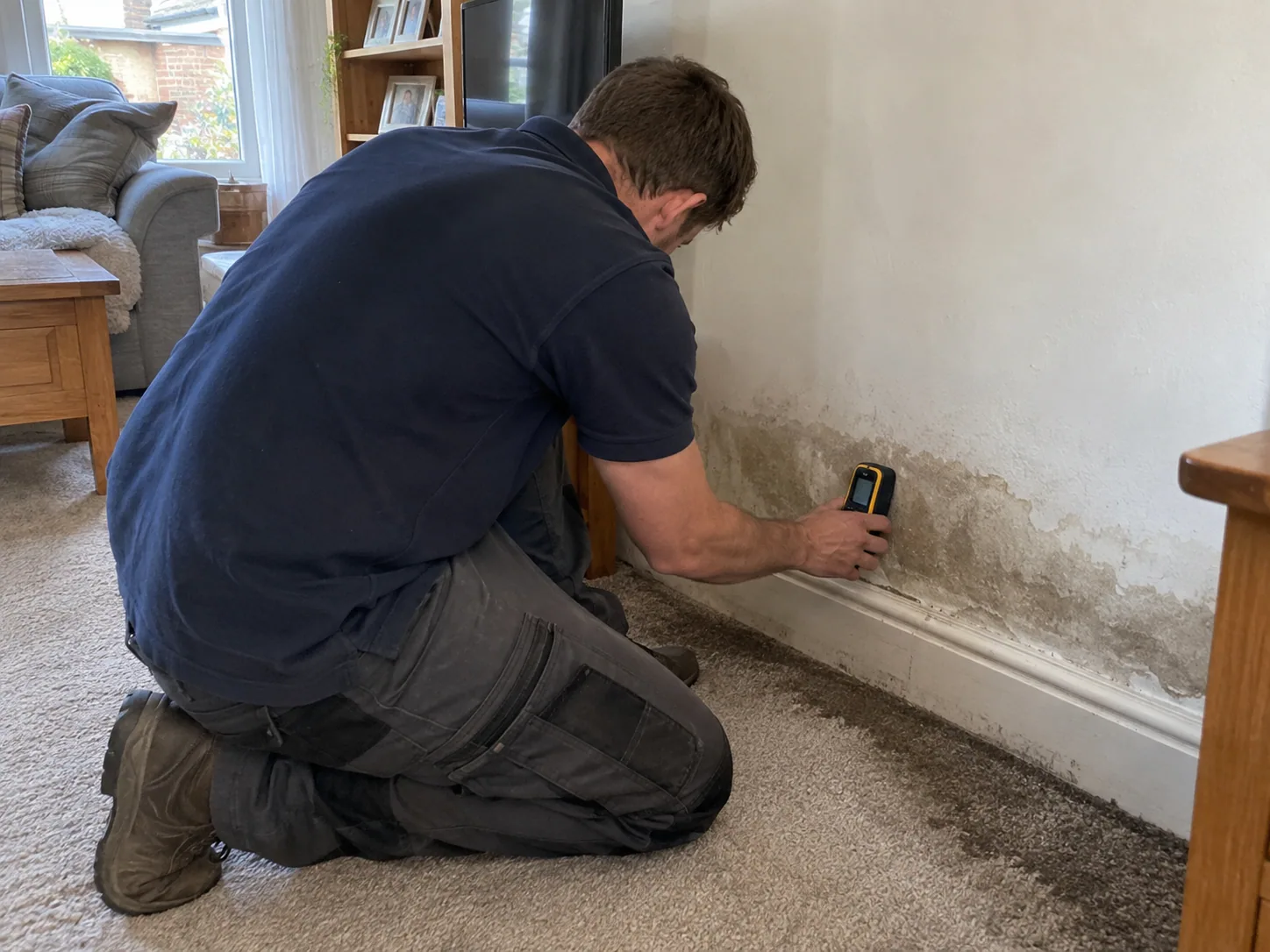
We use moisture meters and thermal imaging where appropriate to find wet materials behind baseboards, under flooring, and inside walls so the drying plan matches what is actually wet.
Serving Houston, Texas & surrounding areas
24/7 Emergency Response
Water Damage Restoration · Houston, TX
When water gets into walls, floors, or cabinets, every hour matters. We find the source, document conditions, dry the structure, and restore your space with a clear scope and straightforward pricing.
Rapid Response for Hidden Moisture
Water damage in Houston often starts with something small: a supply line under a sink, an overflowing tub, a refrigerator line, a backed-up drain, or water intrusion after a heavy storm. What turns it into an expensive problem is hidden moisture. Water can wick under flooring, soak insulation, and migrate into wall cavities where it does not show up until swelling, odors, or mold growth starts.
Water Damage Houston handles the full response: stopping or isolating the water source when possible, removing unsalvageable wet materials, drying the structure to normal moisture levels, cleaning and deodorizing affected areas, then repairing and restoring finishes. If you are dealing with water damage Houston TX property owners typically see after storms, we also focus on safe access, electrical awareness, and controlled demolition so drying can start quickly.
Houston conditions add urgency. High humidity can slow evaporation, and moisture can stay trapped in building assemblies unless drying is planned and monitored. The goal is simple: dry it correctly the first time, document what was done, and put your property back together without guessing.
Professional Response Standards
We use moisture meters and thermal imaging where appropriate to find wet materials behind baseboards, under flooring, and inside walls so the drying plan matches what is actually wet.
If demo or cleaning could spread dust or contaminants, we isolate work areas and use negative air practices when appropriate to protect the rest of the property.
Dehumidifiers and air movers are sized to the affected volume and material load. In humid weather, dehumidification is what keeps drying moving.
We document affected materials, what is being removed, what is being dried, and what will be restored so you can make decisions with a written plan.
When you are filing a claim, carrier adjusters typically want photos, moisture readings, equipment logs, and an itemized scope. We organize that information from day one.
Identify the Water Before Cleanup
The first step is identifying what kind of water you are dealing with, because cleanup methods and safety requirements change.
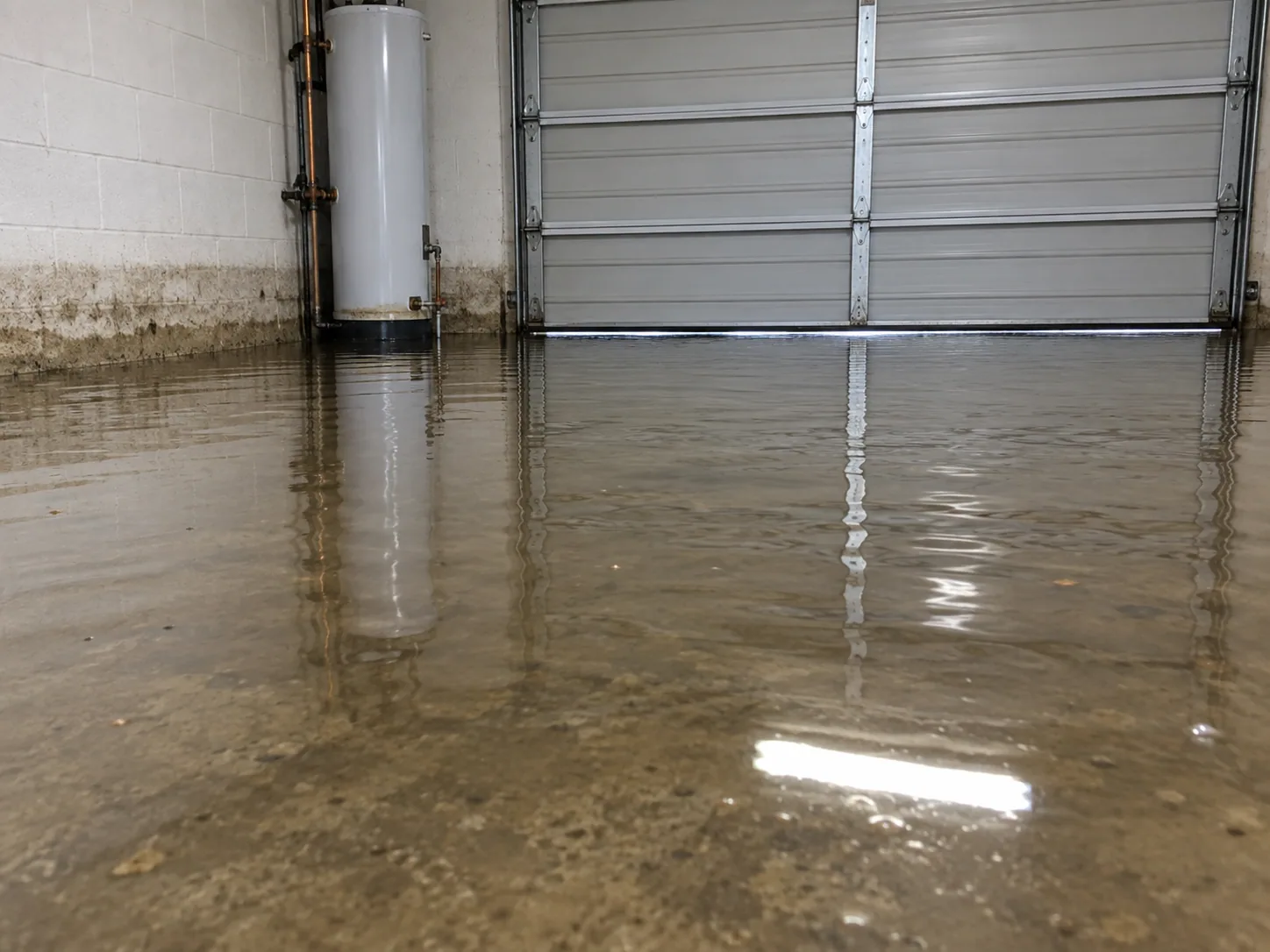
Clean water (Category 1): Often from a broken supply line, water heater failure, or an appliance line. Quick extraction and drying can save flooring and cabinets when caught early.
Gray water (Category 2): From sources like washing machine discharge or dishwasher overflow. Porous materials may need removal, and the area needs a more thorough clean and antimicrobial treatment.
Black water (Category 3): Sewage backups and floodwater can contain pathogens. This requires controlled removal of porous materials, disinfecting, and careful handling and disposal.
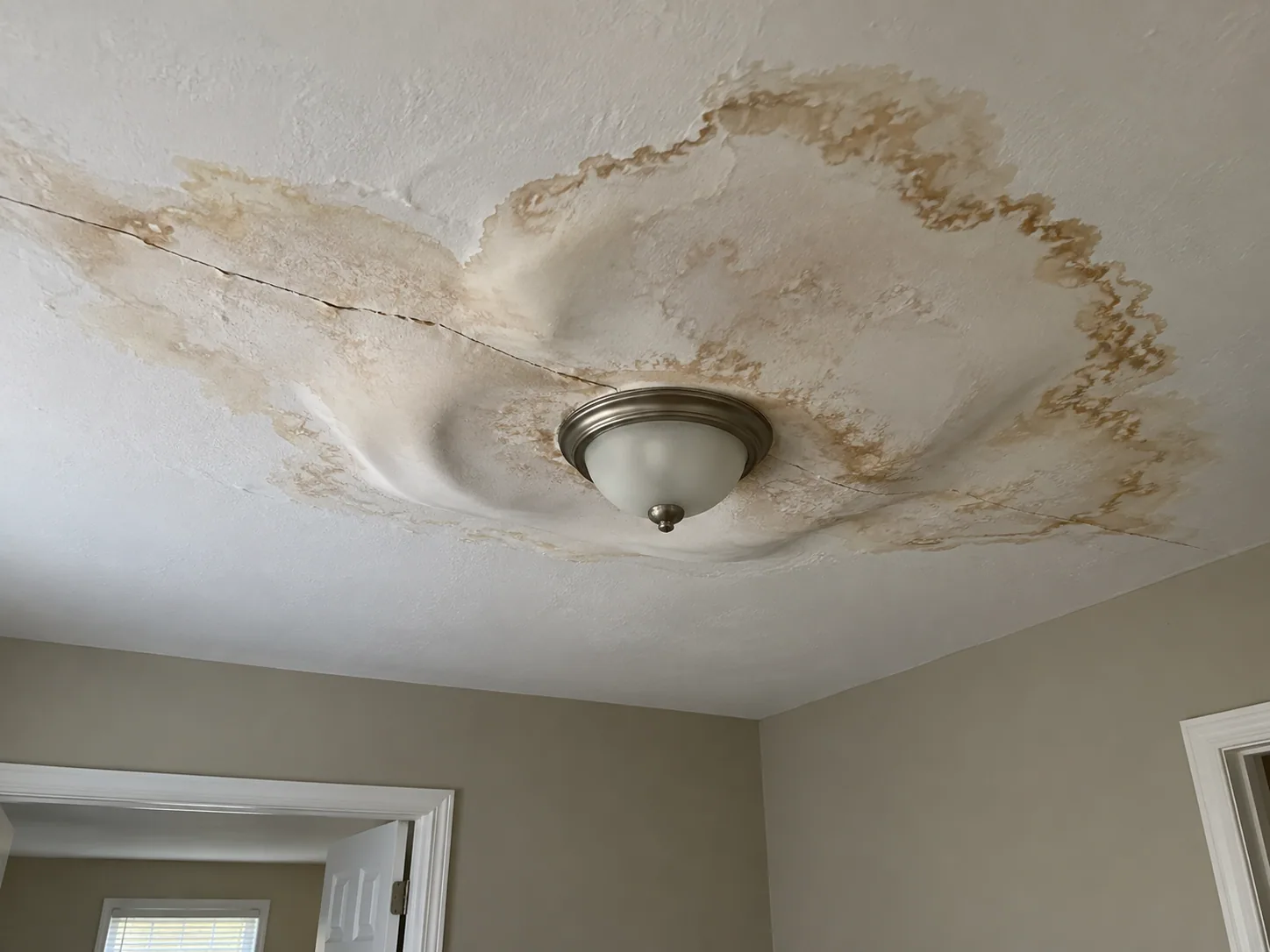
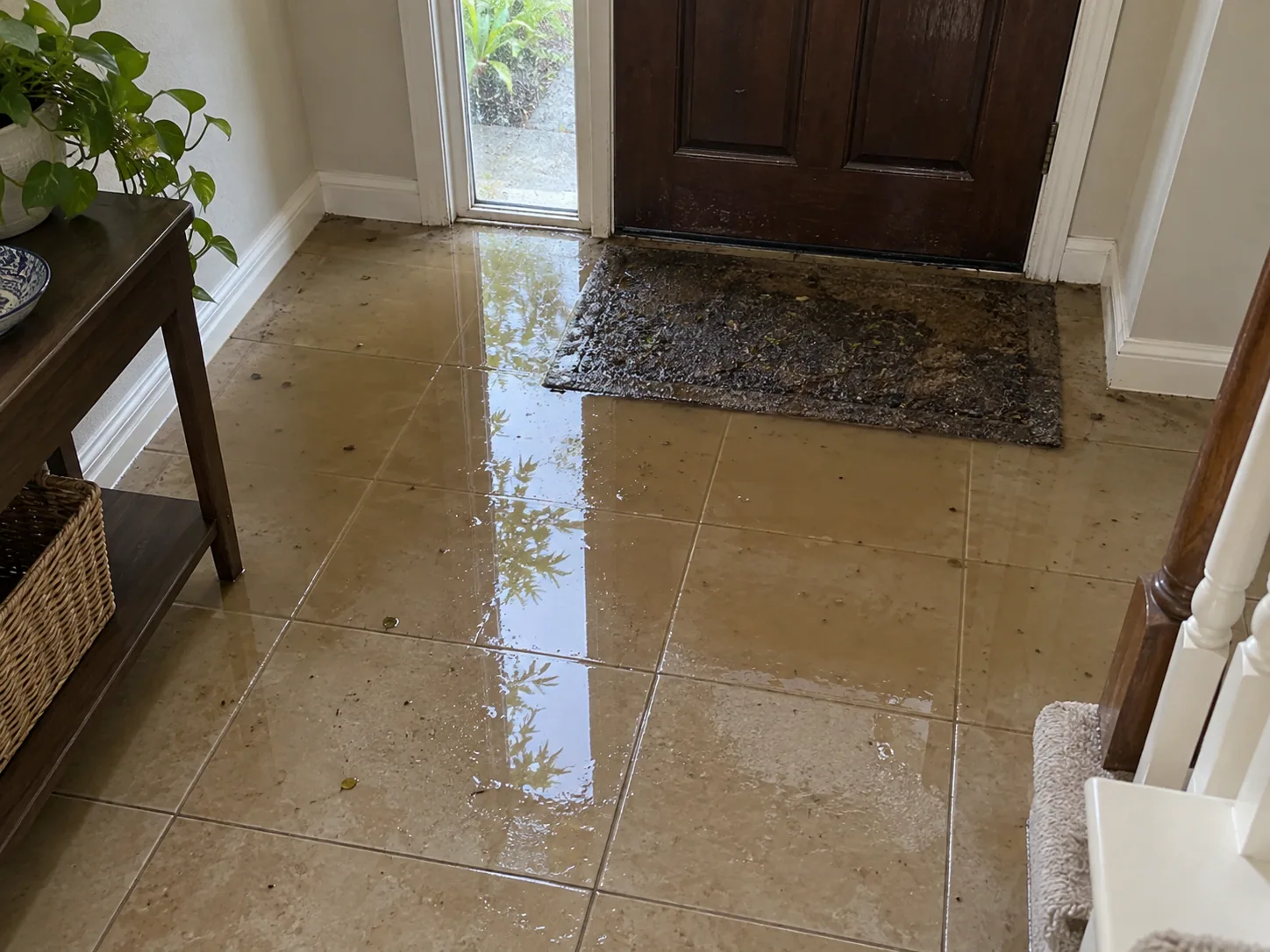
In Houston, heavy rain events can also drive water through building envelope weak points. Water intrusion is not always dramatic. It can show up as damp drywall at the base of an exterior wall, buckling laminate, or a musty smell in a closet.
If you are not sure what category it is, treat it as contaminated until proven otherwise. That one decision affects what can be saved and how the work area should be protected.
Inspection to Finished Repairs
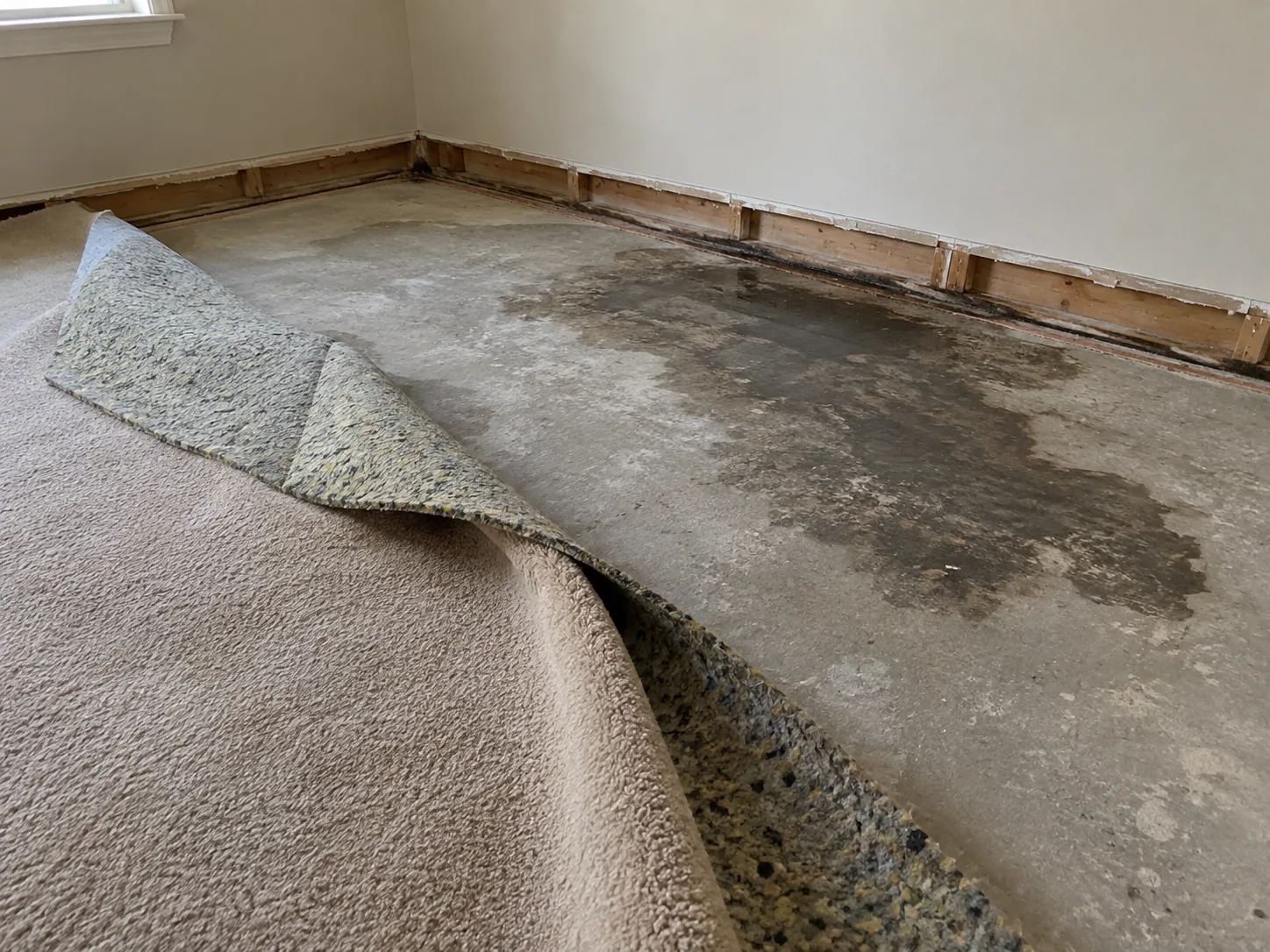
We check visible damage, then map hidden moisture using meters and targeted inspection points. We also look for safety issues such as wet electrical outlets, ceiling sagging, or structural swelling.
If the source is active, we help isolate it and coordinate with a plumber when needed. We move or protect contents, set floor protection, and establish containment if demolition is required.
We extract standing water and remove materials that will not dry correctly or are contaminated, such as soaked pad, swollen particleboard, or sewage-impacted drywall.
Air movers and dehumidifiers are placed based on room volume, material types, and moisture load. In Houston humidity, controlled dehumidification is key to prevent moisture from lingering in framing and subfloors.
We monitor moisture levels and adjust equipment placement as conditions change. Drying is considered complete when affected materials return to acceptable moisture levels for the assembly.
After drying, we rebuild what was removed: drywall, trim, flooring transitions, paint, and finish carpentry. The aim is to restore the space to pre-loss condition with consistent materials and clean lines.
Planning the Scope
Water damage cleanup in Houston typically ranges from about $1,000 to $6,000 for smaller, contained losses, while larger multi-room events with removal and rebuild commonly run $7,500 to $25,000+ depending on extent and water category. A simple extraction and dry-out is usually far less than a project that needs drywall removal, cabinet work, flooring replacement, and antimicrobial treatment.
Final pricing depends on the size of the affected area, how long materials stayed wet, what has to be removed to access trapped moisture, the type of flooring and cabinetry, and whether the water is clean or contaminated. The exact cost is confirmed after an on-site inspection and documented moisture mapping.
Drying and Restoration in Practice
Practical Answers
Response timing depends on current demand and weather events, but the goal is to get eyes on the loss as soon as possible because drying outcomes worsen the longer materials stay wet. If you contact Water Damage Houston quickly, we can often limit how much flooring and drywall has to be removed by starting extraction and dehumidification early.
Shut off the water if the source is plumbing-related, avoid standing water near outlets or electrical panels, and move small valuables out of wet areas if it is safe to do so. If you can, take a few photos for documentation. Do not run household fans into a contaminated water loss, and do not assume the area is dry just because the surface looks better.
Yes. Many projects need both mitigation—extraction, drying, and cleaning—and restoration such as drywall, trim, paint, and flooring work to finish the job. Keeping those phases coordinated reduces delays, especially when drying requires selective removal to access moisture behind walls or under floors.
Sometimes, yes. If moisture is trapped in wall cavities, insulation, or under floors, targeted removal is often the only way to dry the structure correctly. The decision is made using moisture readings and inspection points so removal is limited to what is necessary for access and drying.
Yes. We provide the documentation adjusters commonly request, including photos, moisture readings, equipment usage, and an itemized scope of work. Coverage depends on your policy and the cause of loss, but solid documentation helps the claim stay clear and consistent.
Most structural drying takes about 3 to 5 days, but it can be longer when materials stayed wet for an extended period, when multiple layers are affected—such as pad, subfloor, and framing—or when humidity is high and the moisture load is heavy. Drying time is confirmed by moisture readings, not by the calendar.
Often it is, especially for contained clean-water losses, but it depends on the location of the damage, whether there is contamination, and whether drying equipment noise and airflow are manageable. If a sewage backup is involved or significant demolition is needed, it may be safer to isolate the area or temporarily relocate. We will talk through the risks and practical options after inspection.
Start With a Clear Drying Plan
Tell us what happened and what areas are affected. We will inspect, explain what needs to be dried or removed, and provide a written scope so you can move forward with a clear plan.