Evidence-based findings
We combine visual clues with moisture readings and targeted sampling when appropriate, so conclusions are tied to what is actually happening in the building.
Serving Houston, Texas & surrounding areas
24/7 Emergency Response
Mold Inspection Service · Houston, TX
If you smell something musty, see staining, or have had recent moisture, a professional inspection gives you clear answers. We inspect homes and commercial spaces, document findings, and deliver a straightforward report you can use for next steps.
Evidence Before Guesswork
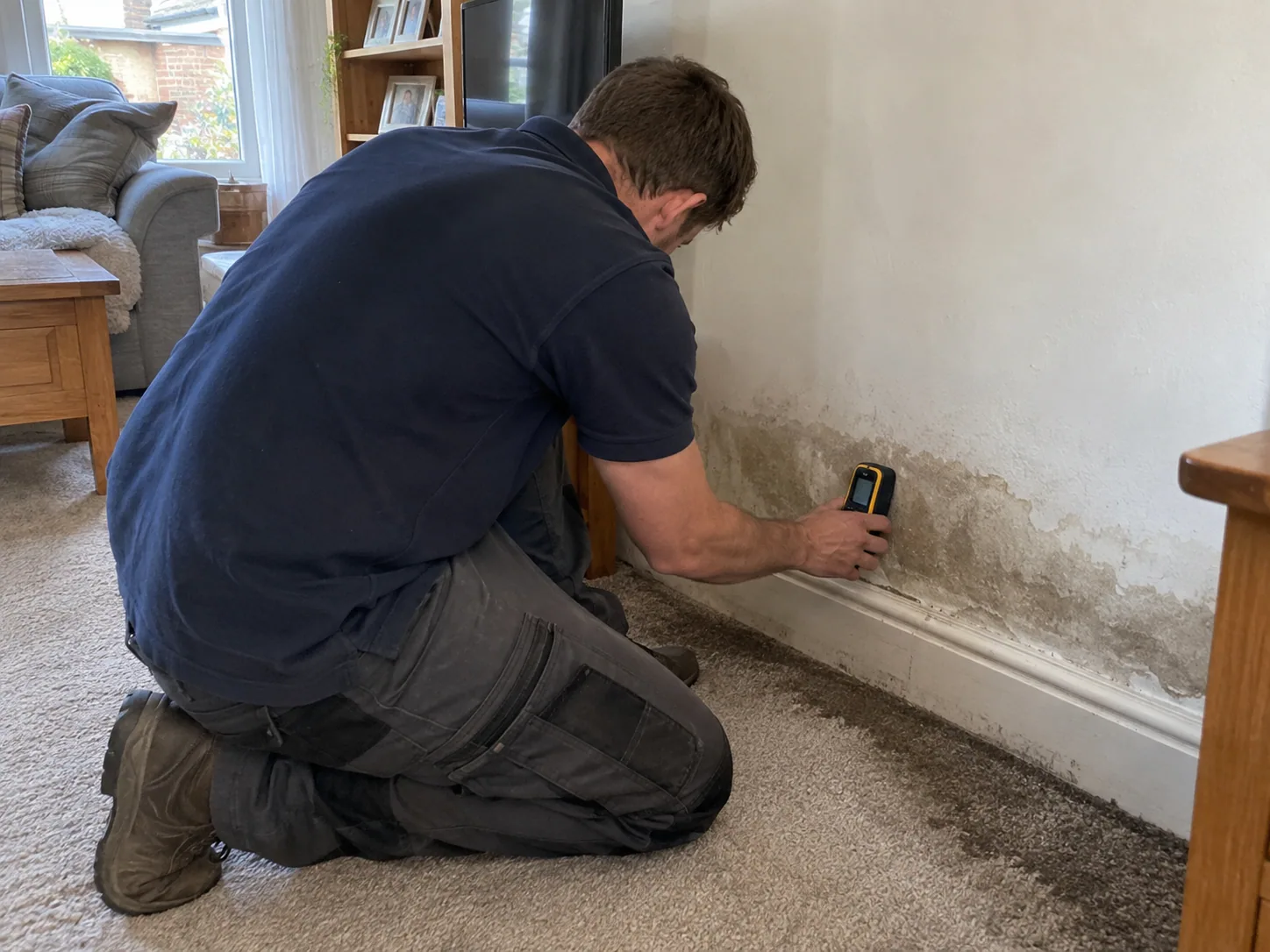
When you hire mold inspectors Houston property owners rely on, you are paying for two things: accurate detection and clear documentation. A proper inspection is not a quick walk-through or a single air sample. It is a methodical check for water intrusion, humidity, wet building materials, and evidence that mold is present or likely.
A professional mold inspection in Houston typically includes:
In Houston, moisture is the primary driver. High humidity, heavy rain, ductwork, and return-air configurations can create hidden condensation and damp cavities. The inspection should pinpoint where moisture is entering or remaining so your next step is based on evidence.
If the inspection follows a water loss or chronic leak, stabilizing the building may come first. Water damage restoration can be handled as a separate scope after the source and affected materials are identified.
This is one part of our wider water damage restoration in Houston service, covering homes and commercial property across the Houston area.
Residential and Commercial Inspection
Our Houston mold inspection services support real-world decisions: buying a home, resolving a landlord-tenant concern, checking whether a leak created a mold problem, or confirming that a space is ready to occupy.
Residential inspections often focus on:
Commercial and rental properties often require a tighter paper trail. We can document conditions by unit or area, note access limitations, and organize findings to help property management, maintenance teams, or an indoor environmental professional coordinate next steps.
Local construction matters. Older Houston properties may contain multiple remodel layers that hide old leak paths, while tight newer envelopes can trap humidity when ventilation or dehumidification is not balanced. In high-rise condos and offices, HVAC condensate lines, perimeter windows, and building-wide water events deserve close attention.
We work across Houston, including The Heights, Montrose, Westchase, and Midtown, adapting the inspection to older wall assemblies, renovated homes, dense commercial suites, apartments, and shared-wall conditions.
Inspection Standards
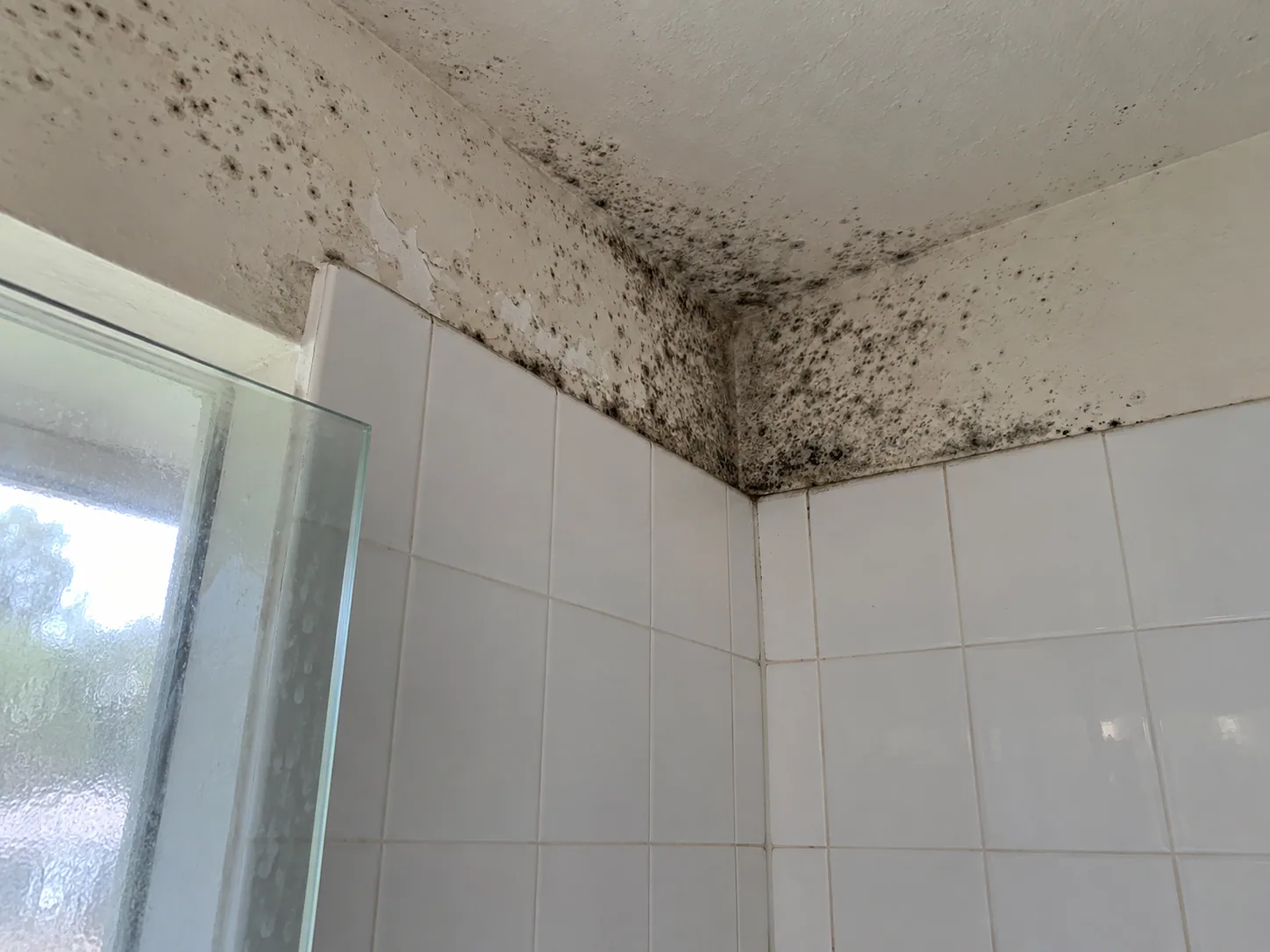
We combine visual clues with moisture readings and targeted sampling when appropriate, so conclusions are tied to what is actually happening in the building.
You get documentation that explains locations, conditions, and recommended next steps in plain language, supported by photos and notes.
Mold follows water. We look for leak paths, condensation patterns, and humidity issues that can keep materials damp after a spill or storm.
We use clean work habits, wear appropriate PPE, and keep disruption low in occupied homes, rentals, and active commercial suites.
Sampling is a tool, not a default add-on. We explain when it helps, how many samples make sense, and what results can and cannot tell you.
Intake to Written Findings
We start with what you have noticed—odors, symptoms, or staining—and any known roof leak, plumbing leak, or HVAC drain backup. This narrows the search and reduces unnecessary sampling.
We inspect likely growth zones and trace moisture patterns using meters and basic building-science checks. Bathrooms, kitchens, exterior-wall closets, and areas around air handlers receive particular attention.
When warranted, we take air and/or surface samples based on the situation, label and document them, and send them to a lab. We avoid over-sampling and explain what comparison samples mean.
You receive a written report with photos, readings, any sample results, and recommendations. If remediation is needed, the report helps define containment, affected materials, and verification steps.
Planning the Inspection Scope
Mold inspection in Houston typically ranges from about $250 to $750 for many homes, depending on size, access, and whether sampling is included. Larger homes or multi-unit and commercial spaces can run $800 to $1,500+. A basic inspection without lab work is usually at the lower end, while inspections with multiple air or surface samples cost more.
Your final price mainly depends on square footage, the number of areas of concern, attic or crawl access, how many samples you choose, and how quickly you need the report. Exact pricing is confirmed after we understand the property and inspection scope.
Practical Answers
Hire an inspector when you have recurring musty odor, staining that returns after cleaning, recent water intrusion, or symptoms that seem tied to time spent indoors. Hidden moisture in Houston drywall, cabinets, or HVAC areas can let the source persist after surface cleaning.
No. Air sampling helps when indoor-to-outdoor comparison data is needed, growth is suspected but not visible, or documentation is required for a transaction or property file. With visible growth and a clear moisture source, moisture mapping and surface sampling may answer the practical questions.
Most residential inspections take about 60 to 120 minutes, depending on home size and how many areas need checking. Larger homes, limited-access attics, and commercial spaces with multiple suites generally take longer, especially when sampling is included.
Make the areas of concern accessible and avoid heavy cleaning, painting, ozone, or fogging immediately before the visit because these can obscure evidence. Share any history of leaks, AC drain problems, roof repairs, or past remediation.
Yes. Materials can retain moisture below the surface, and Houston humidity can slow natural drying in wall cavities and beneath flooring. Moisture readings and targeted checks can show whether the structure dried or ongoing dampness remains.
Yes. A good report documents observations, locations, and lab results when taken. It can help buyers understand whether a concern is localized or indicates broader moisture issues, and it gives rental or commercial stakeholders a written record of conditions and recommended next steps.
Schedule a Professional Inspection
Tell us what you are seeing or smelling and where it is happening. We will help you schedule an inspection, document the findings, and give you a report you can use to plan the right next step.