Clear scope before work ramps up
We explain what is wet, what can be dried, what must be removed, and how we will confirm dryness. You should never have to guess why a wall was opened or why equipment is placed where it is.
Serving Houston, Texas & surrounding areas
24/7 Emergency Response
Water Damage Cleanup · Houston, TX
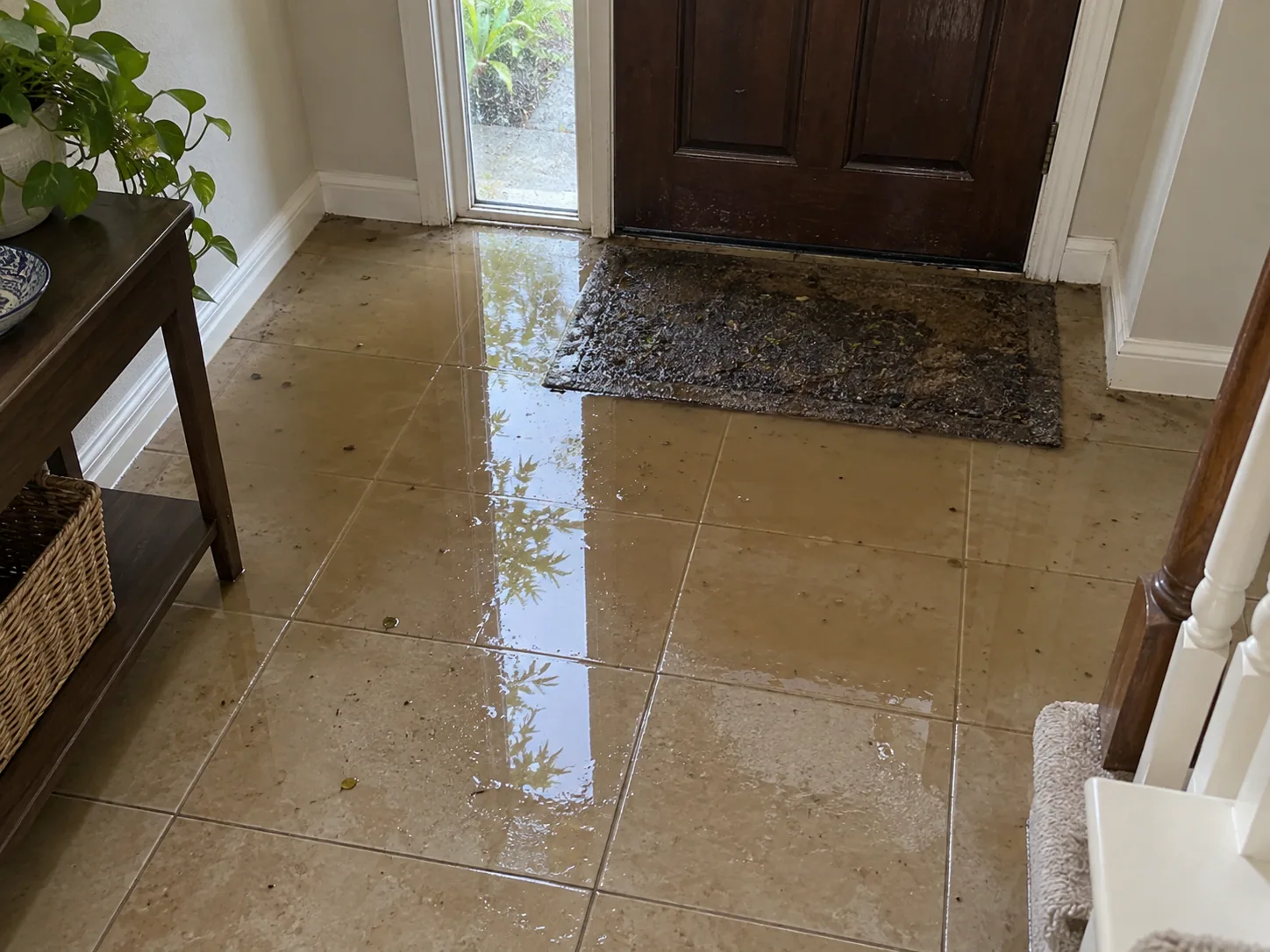
Fast response matters after a leak or flood. Our crew removes standing water, dries the structure, and cleans up safely so you can protect floors, walls, and contents before moisture spreads.
Extraction, Drying, and Verification
If you are searching for water damage cleanup Houston TX, you are usually dealing with one urgent problem: water is in places it should not be, and every hour it stays there raises the risk of swelling, delamination, and microbial growth.
Proper cleanup is more than mopping and setting a fan. It typically includes:
In Houston, warm temperatures and humidity can make it harder to dry a structure quickly if the system is not sized correctly or if wet cavities are missed. A thorough plan focuses on the real goal: dry the building materials, confirm it with readings, and leave the space clean and ready for the next step.
This is one part of our wider water damage restoration in Houston service, covering homes and commercial property across the Houston area.
Find the Full Migration Path
Most water problems in Houston homes and small commercial spaces come from everyday failures, not dramatic floods. The response is different depending on where the water traveled and what it touched.
Common sources include:
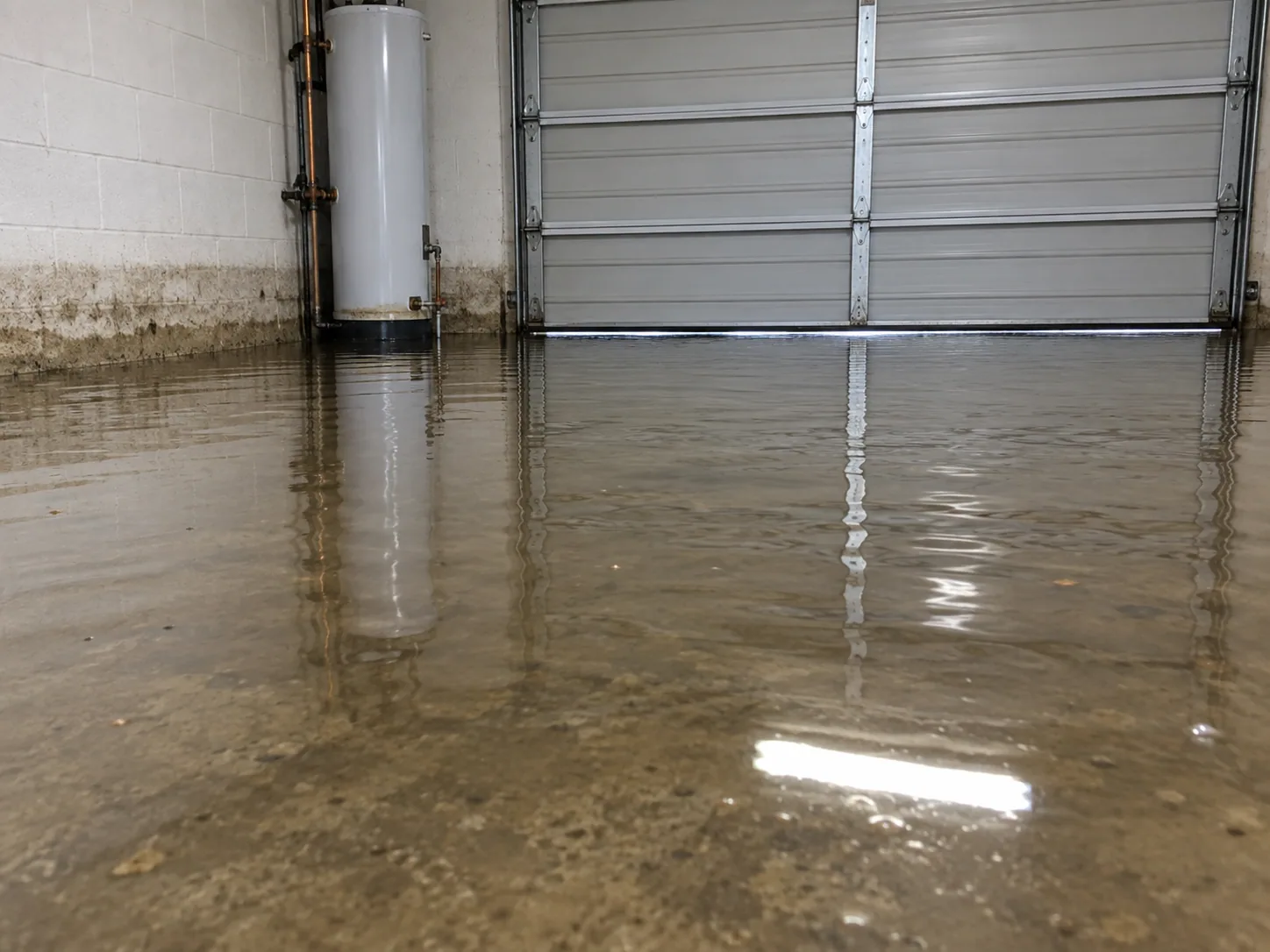
We focus on tracking the migration path, extracting water from the lowest points first, and building a drying setup that matches the materials—hardwood, engineered flooring, carpet, and drywall—and the amount of moisture present.
For broader recovery work that continues after cleanup, water damage restoration can include reconstruction planning, material replacement, and coordination steps once drying is verified.
A Cleanup Plan You Can Follow
We explain what is wet, what can be dried, what must be removed, and how we will confirm dryness. You should never have to guess why a wall was opened or why equipment is placed where it is.
Drying is guided by moisture checks on materials, not just how the room feels. We document readings so the stop point is based on verified conditions.
When materials are being removed or when there is concern about contamination, we isolate the work area to keep dust and debris from traveling through the property.
We prioritize steps that limit secondary damage, like early extraction and targeted drying under cabinets or along edges where moisture likes to hide.
Clean water from a supply line is handled differently than water that may contain waste or soil. We tell you what category the situation appears to be and what that means for cleaning and disposal.
From Safety Check to Dryness Verification
We start by identifying immediate hazards—electrical near water, ceiling sag, and slip risks—and help confirm the water source is controlled so the cleanup is not fighting an active leak.
We inspect rooms, edges, and adjacent spaces to find where water migrated. This often includes checking baseboards, lower drywall, flooring transitions, and closets that share walls.
Standing water is extracted first. If padding, drywall, insulation, or warped materials cannot be dried to a safe level, we remove them in a controlled way to open the structure for drying.
Air movers and dehumidifiers are placed to dry the wet materials, not just the open room. When needed, we use targeted methods like drying mats or cavity drying for wet subfloors and walls.
We clean affected surfaces as appropriate for the water source, address odors when needed, and re-check moisture levels so you have confirmation that drying goals were met.
Planning the Cleanup Scope
Water damage cleanup in Houston typically ranges from about $500 to $3,500 for many small to mid-size jobs, while larger losses with significant extraction, demolition, and multiple days of drying can run $4,000 to $12,000+.
Your price depends on how much water is present, how far it spread, the materials affected—carpet, hardwood, drywall, and cabinetry—the water category, and how many days of equipment are needed. The exact cost is confirmed after an on-site inspection and moisture mapping.
Drying for Gulf Coast Conditions
Houston jobs often come down to moisture control. High ambient humidity can slow evaporation, which means equipment sizing and placement matter. A single dehumidifier in the wrong spot can leave wet pockets in drywall or under flooring even when the room feels comfortable.
We routinely see water travel into:
Neighborhoods with a mix of older and updated construction can add complexity. In areas like The Heights, remodel layers can hide multiple flooring types, so moisture mapping needs to be careful. In Montrose, older homes may have more openings and non-standard trim details that allow water to move into adjacent spaces quickly. Near Memorial and Spring Branch, slab-on-grade homes still see significant water migration along edges and into built-ins when a leak runs for hours.
Our goal in water damage cleanup Houston is to stop the spread, dry the structure with confirmed readings, and leave the space clean and stable so the next repair decisions are not rushed.
Practical Answers
You should start water damage cleanup as soon as the water source is controlled, ideally the same day, because moisture can wick into drywall, insulation, and flooring edges quickly in humid conditions. Early extraction and targeted drying are the best ways to reduce swelling, warping, and odor problems.
Stop the water at the source if it is safe, avoid using outlets or rooms with wet ceilings, and move small valuables off wet floors. If you can do it safely, blot or extract what you can and run the AC to reduce humidity, but avoid household fans aimed at wet drywall if you suspect dirty water or if materials may need controlled removal.
Some drywall can be dried if it is only lightly affected and caught early, but insulation that is saturated often needs removal because it holds water and slows drying inside the cavity. The decision is based on moisture readings, how long the materials were wet, and the water source category.
Many projects take 3 to 5 days of drying time after extraction, but timelines change with humidity, the amount of water, and whether wet cavities or subfloors are involved. You should expect ongoing moisture checks during drying, with equipment adjusted as conditions change.
Yes, but cleanup steps are stricter when water may be contaminated. That often means removing affected porous materials, cleaning hard surfaces with appropriate products, and using containment practices to limit cross-contamination in the rest of the property.
Air movers and dehumidifiers make steady noise and add heat, and they often need to run continuously for effective drying. We can discuss placement to keep walkways safer, and we will explain what can be turned off temporarily and what should stay running to avoid extending the drying time.
Start With Moisture Mapping
Tell us what happened and which rooms are affected. Water Damage Houston will confirm the wet areas, explain the cleanup plan, and start the drying process with clear next steps for your property.