Rapid water removal and containment
We start by stopping the source when possible, protecting unaffected areas, and extracting standing water fast so it does not keep feeding into building materials.
Serving Houston, Texas & surrounding areas
24/7 Emergency Response
Water Remediation Service · Houston, TX
When water gets into floors, walls, or cabinets, time matters. Water Damage Houston responds fast with a clear plan: stop the source, remove water, dry the structure, and document the work so you can move forward with fewer delays.
Fast Action, Verified Drying
Water remediation is the set of steps used to make a water-damaged space safe and dry again: water extraction, controlled drying, dehumidification, cleaning and sanitizing, and removal of materials that cannot be dried safely. In a humid climate like Houston, materials can stay damp longer, and that increases the chance of secondary damage if the drying plan is not aggressive and well monitored.
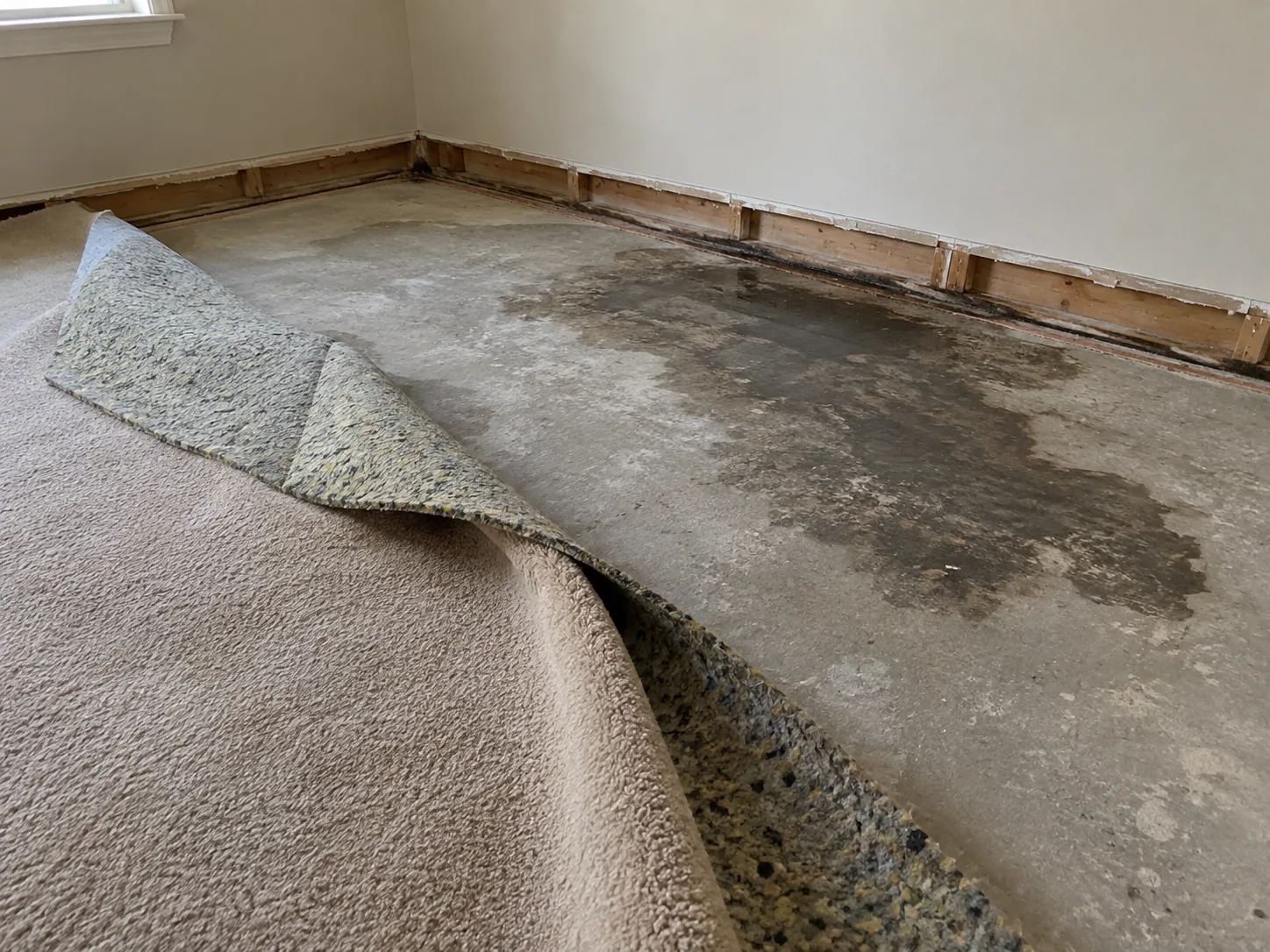
Most problems are not just the puddle you can see. Water moves under flooring, behind baseboards, and into wall cavities. If the structure is not dried to an acceptable moisture level, you can end up with odors, warping, delamination, and staining that show up weeks later.
For Houston water remediation, the practical goal is simple: identify where the water traveled, remove what cannot be saved, and dry what can be saved with the right equipment and verification checks. If you also need full rebuild work after drying is complete, start with water damage restoration services in Houston so the remediation and repairs stay coordinated.
This is one part of our wider water damage restoration in Houston service, covering homes and commercial property across the Houston area.
Remediation Standards
We start by stopping the source when possible, protecting unaffected areas, and extracting standing water fast so it does not keep feeding into building materials.
Drying hardwood, drywall, and cabinets requires different airflow and dehumidification strategies. We set up equipment based on what is wet and how the space is built.
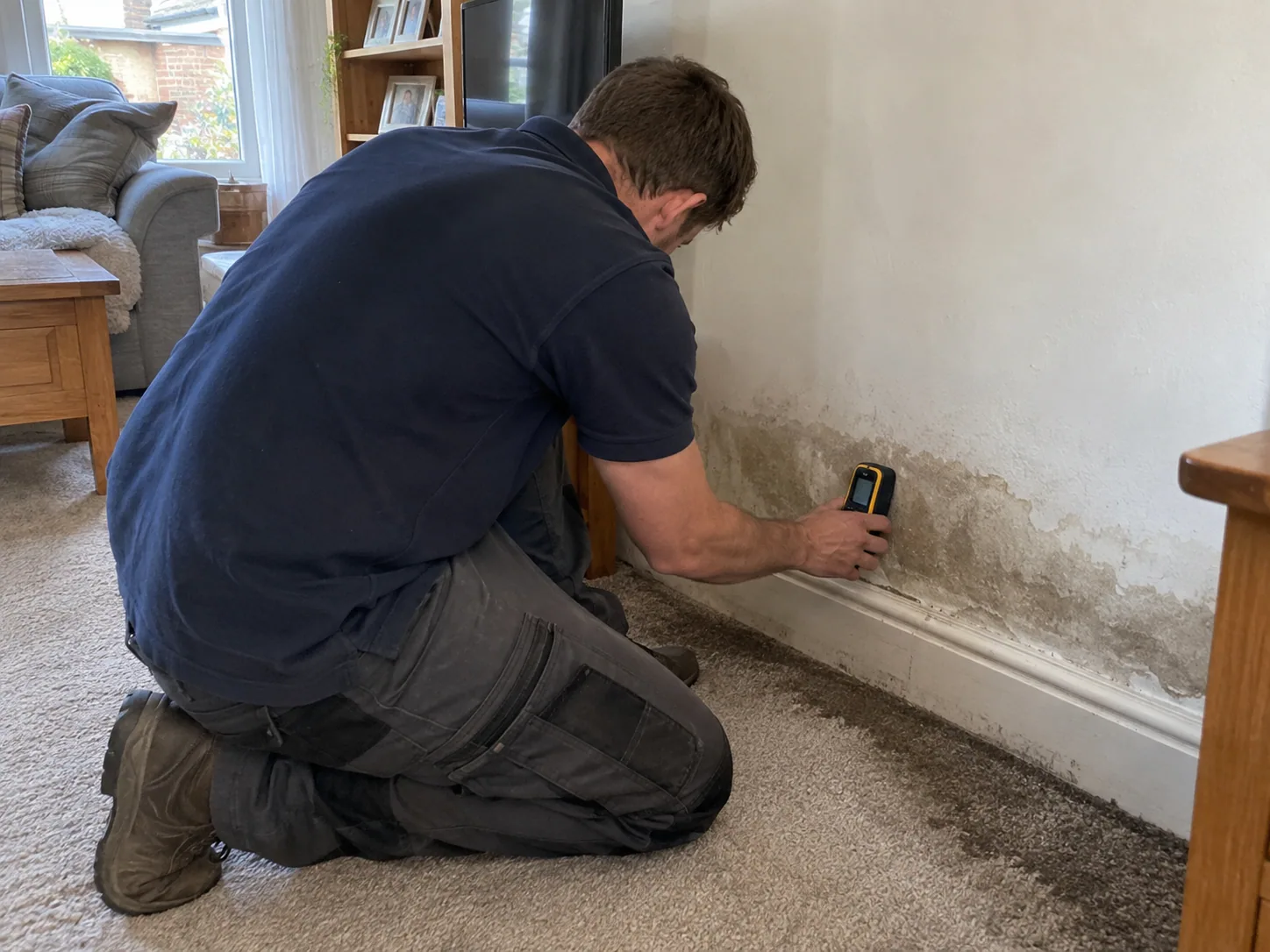
We check moisture levels in affected materials to confirm drying progress and to avoid leaving hidden damp spots behind walls or under floors.
When water is contaminated, such as sewage or storm runoff, the work includes appropriate cleaning and antimicrobial steps before the area is considered safe for rebuild.
We keep notes and photos of affected areas, equipment placement, and drying readings so you have clear records of what happened and what was done.
You get an explanation of what needs to come out, what can likely be dried in place, and what the next steps look like before the project ramps up.
Follow the Water
A water event rarely stays in one room. We focus early on the pathways water follows so the remediation scope matches the real footprint.
Common migration points we check:
In Houston neighborhoods with a mix of older and renovated homes, you often see layered flooring systems—tile over backer board or engineered wood over underlayment—that hide moisture. In areas with many slab-on-grade foundations, water can also spread laterally across the slab and into adjacent rooms.
Water remediation Houston is done correctly when we can show where the water went, what was removed, and which materials were dried to an acceptable level before anything is closed back up.
Inspection to Handoff
We identify the water source, if known, classify the water condition as clean, gray, or contaminated, and map where moisture is present using meters and visual checks.
We isolate affected areas when needed, protect walk paths, and set up containment for dusty demolition or contaminated materials.
We extract standing water and remove materials that cannot be dried safely or cost-effectively, such as saturated pad, swollen particleboard, or contaminated porous items.
We place air movers and dehumidifiers to create consistent evaporation and moisture capture, and we adjust the setup as readings change.
Depending on the water condition and the affected materials, we clean and disinfect surfaces and address odor sources before rebuild begins.
We document final moisture readings and outline what is ready for repair work. If repairs are needed, we can coordinate the transition so the space is not left in limbo.
Planning the Scope
Water remediation in Houston typically ranges from about $1,200 to $6,500 for many residential jobs, with larger losses and multi-room drying often running $7,500 to $20,000+. The range depends on how far water traveled, including hidden moisture, how much drywall or flooring must be removed, and how many days of equipment are required.
Clean-water incidents are usually simpler than contaminated water, which requires more removal and sanitizing. Access, ceiling height, affected contents, and whether cabinets or specialty flooring can be saved also change the price. The exact cost is confirmed after an on-site inspection and moisture map.
Inspect Before Repairs
If you have wet drywall, buckling floors, or a musty smell after a leak, get an inspection and moisture map before you paint, patch, or reinstall flooring. A clear remediation scope early can prevent rework later.
Practical Answers
Start water remediation as soon as it is safe and the water source is stopped, ideally the same day. The longer moisture sits in drywall, wood, and insulation, the more likely you are to face swelling, staining, and microbial growth. In Houston's humidity, drying can take longer if the response is delayed, so early extraction and dehumidification make a measurable difference.
Many water remediation projects take 3 to 5 days of drying after extraction and any necessary material removal, but the timeline depends on the materials affected and how much water moved into concealed spaces. A small clean-water loss in one room can be quicker, while water that reached wall cavities, multiple rooms, or a second floor typically extends the drying period.
Water remediation focuses on making the affected areas clean, safe, and dry again through extraction, drying, and sanitizing, while restoration is the repair phase that puts the property back together. If you are planning repairs after the drying is verified, it helps to keep the remediation documentation organized so the rebuild scope is straightforward.
Sometimes, but it depends on how long they were wet, how the materials are built, and whether water got underneath or into seams. Solid hardwood may be salvageable with fast extraction and proper drying, while engineered wood can delaminate. Cabinets can swell at toe-kicks and side panels; we check moisture content and physical distortion to advise what can realistically be dried versus what should be removed.
Not always, but selective removal is common when water gets into porous materials that cannot dry properly in place. For example, wet insulation behind drywall or saturated pad under carpet often needs to come out to dry the structure. The goal is controlled, limited demolition based on moisture mapping, not ripping out more than necessary.
Mold-related work is addressed based on what is found and the conditions of the loss, not automatically on every job. If materials stayed wet long enough to support growth, the scope may include containment, removal of affected porous materials, and cleaning of framing or sheathing. If you already see visible growth or smell persistent mustiness, mention it during scheduling so the inspection targets those areas.
Shut off the water source if you can do so safely, avoid using electrical outlets in wet areas, and move small valuables out of the affected space if it is safe to enter. If you have HVAC running, avoid blasting cold air into a wet area because it can slow evaporation; ventilation and dehumidification are more effective once equipment is set up correctly. Take photos of visible damage for your records before cleanup changes the scene.
Start With Moisture Mapping
Tell us what happened and where the water reached. We will schedule an inspection, map moisture, and lay out the next steps to dry the structure and reduce the chance of lingering damage.