Containment that protects the rest of your property
We isolate the work area with poly sheeting, negative air when needed, and controlled entry so spores and dust stay where we are working, not in bedrooms, offices, or return air paths.
Serving Houston, Texas & surrounding areas
24/7 Emergency Response
Mold Cleanup Service · Houston, TX
If you smell a musty odor, see staining, or have had a recent leak, quick cleanup matters. We inspect, contain, remove, and clean affected areas so your home or business can get back to normal with clear documentation of what was done.
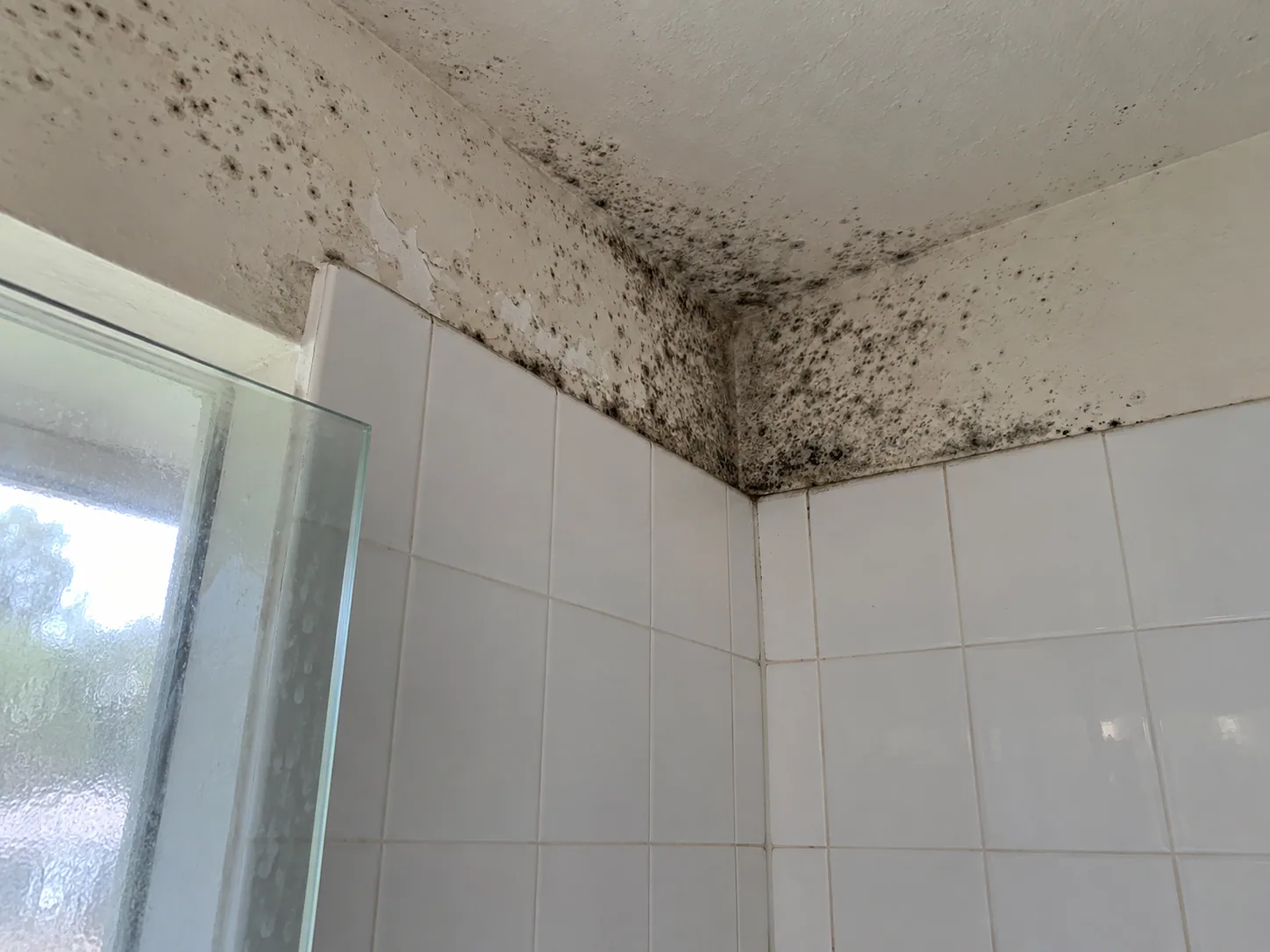
Careful Cleanup for Houston Conditions
Searching for mold clean up Houston usually means you want two things: the visible mold removed and the cause handled so it does not return. In Houston's humid conditions, mold can spread fast after plumbing leaks, roof intrusions, HVAC condensation issues, or flooding.
Our mold removal services focus on doing the work the way it should be done in an occupied building: confirm where growth is, prevent cross-contamination, remove affected materials when needed, clean and HEPA-vac remaining surfaces, and dry the area to a stable condition. We work throughout Houston, including homes and small commercial spaces around ZIP 77007 and nearby areas where older homes, remodels, and tight wall cavities can hide moisture.
If the mold growth is tied to a larger water event, the steps often overlap with water damage restoration because the dry-out, monitoring, and safe demolition decisions drive the mold outcome. The goal is simple: a clean, dry space with a clear scope you can understand.
This is one part of our wider water damage restoration in Houston service, covering homes and commercial property across the Houston area.
Mold Removal Standards
We isolate the work area with poly sheeting, negative air when needed, and controlled entry so spores and dust stay where we are working, not in bedrooms, offices, or return air paths.
We use HEPA vacuums and air scrubbers appropriate to the scope. Cleaning focuses on surfaces, framing, and contents in the affected zone, not just what you can see at first glance.
Some materials cannot be reliably remediated once mold is established, especially porous building products. When removal is required, we do controlled demo and disposal and keep the area safe to walk through.
Mold clean up fails when moisture remains. We look for common drivers like plumbing seepage, window leaks, poorly draining condensate, and wet insulation that keeps cavities damp.
You get a written plan of what areas are affected, what will be removed versus cleaned, what equipment is used, and what the workspace will look like while the work is underway.
We explain when it is reasonable to reoccupy an area, how to keep HVAC from spreading dust during work, and what needs to be rebuilt after removal so you can plan next steps.
Inspection Priorities
A good remediation starts with finding the full affected footprint, not guessing. For mold removal in Houston, we commonly see growth in places that stay damp or do not dry on their own.
Typical inspection targets
We use moisture readings and visual checks to define containment boundaries and decide what can be cleaned in place versus what needs removal. If your concern started after a storm or a leak that soaked materials, stabilizing moisture is part of the plan because mold growth can reappear if cavities stay damp.
When people search mold removal Houston TX, they are usually trying to avoid two bad outcomes: paying for cosmetic wiping that comes back, or tearing out more than necessary. Our job is to strike the right balance with a scope that matches the actual conditions.
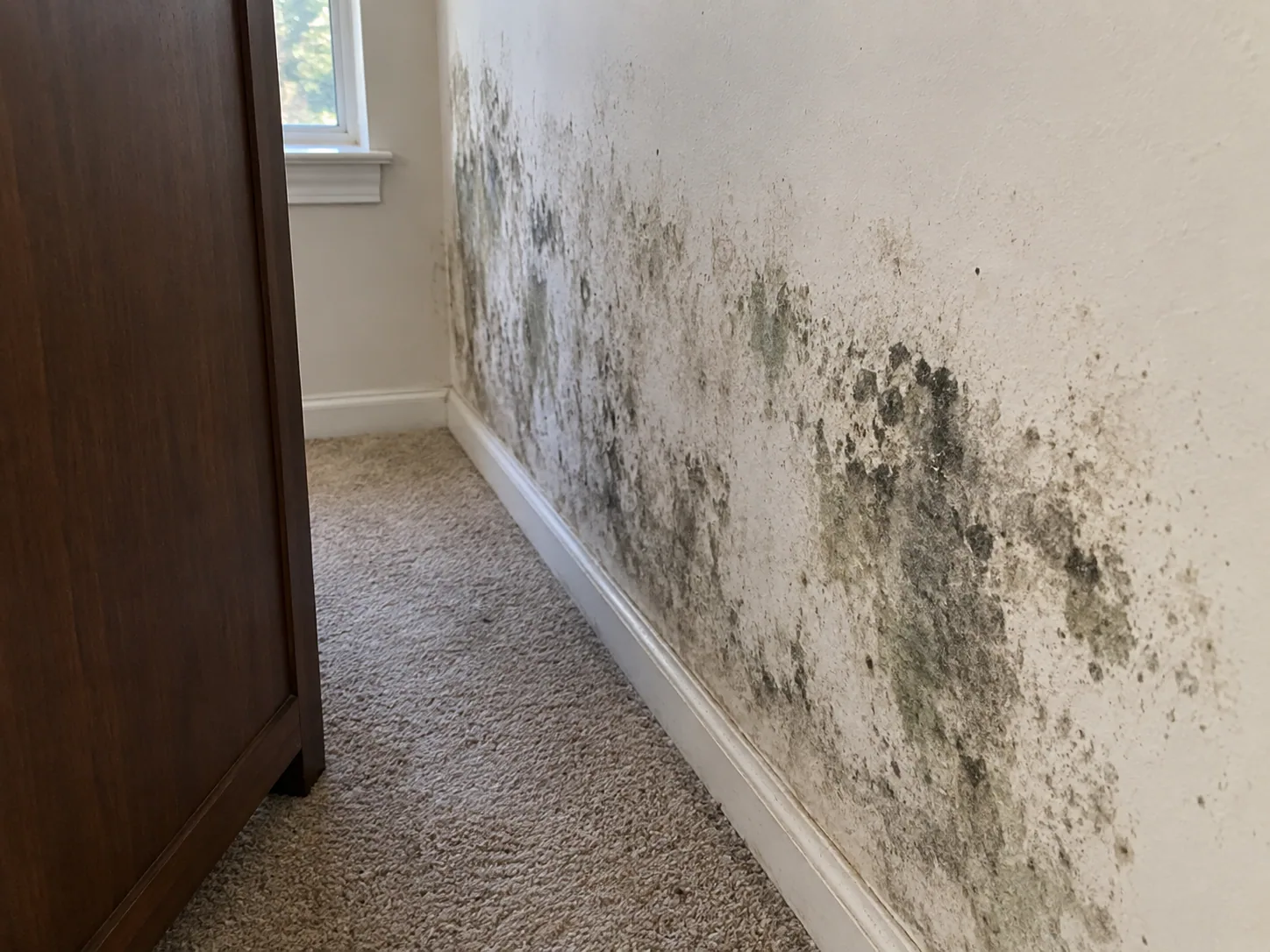
Assessment to Final Walkthrough
We look at the suspected areas, identify likely moisture sources, and outline what needs containment, removal, and cleaning. You will know what rooms are involved and how the work area will be separated.
We install poly barriers and protect pathways. When the situation calls for it, we use negative air and HEPA filtration to keep airborne particles from moving into adjacent spaces.
If drywall, insulation, trim, or other porous materials cannot be cleaned, we remove them in a controlled way, bag debris, and keep dust down. Framing is evaluated for cleanability and structural condition.
We HEPA-vac exposed surfaces and perform cleaning appropriate to the material. The goal is physical removal of contamination, not masking odors with fragrance or paint.
We dry the affected area as needed and confirm moisture levels are trending the right way. Then we walk the space with you, review what was removed, and discuss rebuild steps if demolition was part of the job.
Planning the Scope
Mold clean up in Houston typically ranges from about $900 to $3,500 for smaller, contained areas, while larger or multi-room projects can run $4,000 to $10,000+ depending on removal and drying needs. A small bathroom or under-sink cleanup is usually at the lower end; crawlspace, attic, or widespread wall removal trends higher.
Final pricing depends on how far mold spread behind finishes, how much drywall or insulation must be removed, containment complexity, access such as attics and tight closets, and whether drying equipment is required. Exact cost is confirmed after an on-site inspection and written scope.
Professional Containment in Practice
Practical Answers
In many cases we can schedule an inspection quickly and start work once the scope is approved, but timing depends on how much containment and removal is required. If the source is active, such as a current leak or ongoing condensation, stopping that moisture is the first priority so the cleanup is not working against fresh water.
Porous materials like drywall and insulation often need removal when mold has colonized them, while framing and some non-porous surfaces may be cleaned if they are structurally sound and accessible. The decision is made area by area based on how deep the growth is and whether the material can be reliably cleaned without leaving contamination behind.
It can be, depending on the location and size of the affected area and whether proper containment can keep work air separate from living areas. For example, a contained guest bath is usually easier to isolate than a return-air chase or central hallway. We review access routes, HVAC considerations, and any occupants with sensitivities before work begins.
Testing is not required for every project, but post-remediation clearance testing is sometimes used when a property manager, buyer, or third party wants independent confirmation. If you want that option, it should be planned early so containment boundaries and cleaning steps align with a clearance-ready approach.
Mold typically returns when moisture remains or returns, such as a slow plumbing seep, hidden wet insulation, roof intrusion, or HVAC condensation that was not corrected. That is why our cleanup scopes include moisture source checks and drying guidance, not only surface cleaning.
In practice, the terms are used interchangeably, but a complete job includes both removal of affected materials when needed and detailed cleaning with containment and HEPA filtration. If a contractor only wipes visible spots without addressing hidden spread or moisture, it is usually not a true remediation.
Start With an On-Site Inspection
Tell us what you are seeing and where it is happening. Water Damage Houston will schedule an on-site inspection, explain the scope in plain language, and outline the safest path to a clean, dry space.