Burst or leaking supply lines
Pressurized line breaks can soak multiple rooms fast. We shut down the source, extract water, and dry walls and flooring with documented moisture checks.
Serving Houston, Texas & surrounding areas
24/7 Emergency Response
Water Restoration Service · Houston, TX
When water gets into floors, walls, or cabinets, time matters. Our certified crew responds fast, documents the damage, dries the structure, and helps you move from emergency cleanup to a clear repair plan.
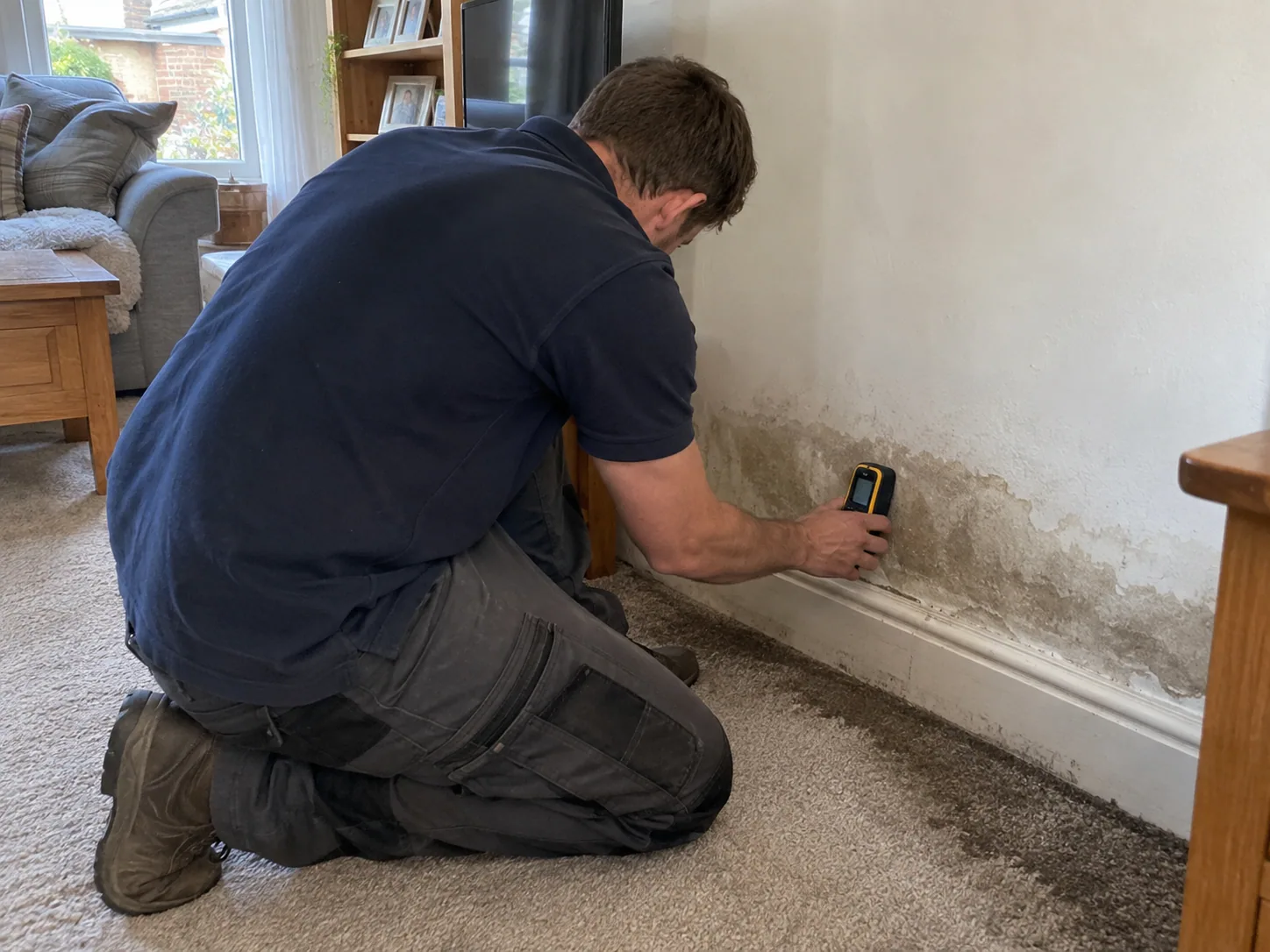
Rapid Structural Drying
Houston water restoration is the process of stopping the water source, removing standing water, drying and dehumidifying the structure, cleaning and sanitizing affected materials, and repairing what can't be saved. The goal is to prevent secondary damage like swelling wood, delaminated flooring, hidden moisture behind baseboards, and microbial growth.
In Houston, water issues can escalate quickly because humidity makes drying slower if the work is underpowered or delayed. A wet room that looks “mostly fine” can still hold moisture in drywall, insulation, subflooring, and framing. That trapped moisture is what causes odors, staining, and warped finishes later.
At Water Damage Houston, we treat restoration as a controlled drying project, not a quick cleanup. We use moisture mapping, targeted demolition only when needed, and equipment sized to the space so drying stays on schedule.
This is one part of our wider water damage restoration in Houston service, covering homes and commercial property across the Houston area.
Water Losses We Address
Pressurized line breaks can soak multiple rooms fast. We shut down the source, extract water, and dry walls and flooring with documented moisture checks.
Overflows from tubs, sinks, water heaters, or appliances often spread under flooring and into cabinets. We focus on underfloor drying and detailed cleaning to prevent lingering odor.
Wind-driven rain can enter through roofs, windows, or flashing. We dry framing cavities and ceilings and coordinate the next repair steps once the structure is stable.
Water can migrate under flooring, especially around expansion joints and low spots. We verify what's wet with meters, then dry the assembly, not just the surface.
Offices and retail spaces need fast stabilization to reduce downtime. We plan equipment placement around operations and safety while documenting progress for stakeholders.
Inspection and Drying Strategy
A good restoration plan starts with finding the full extent of wet materials, not guessing by what you can see. We map moisture in drywall, baseboards, trim, and flooring transitions, then set up a drying system around the building's layout.
In areas like The Heights and Washington Avenue, near older pier-and-beam homes mixed with remodels, water can travel under plank floors and into wall cavities, so we check behind trim and at transitions between rooms. In Downtown and Midtown condos, we pay special attention to shared walls, elevator access, and building rules so containment, equipment staging, and documentation are handled the way property managers expect. In Westchase and the Energy Corridor, many properties have large open-plan areas where airflow patterns matter, so we use measured air changes and dehumidification capacity rather than simply adding more fans.
If you are comparing providers, look for a team that explains what will be removed versus what will be dried in place, how drying progress will be verified, and what the handoff to repairs looks like. A water loss is stressful; you should still get a written scope, daily status updates, and clear next steps. For a broader overview of water damage restoration services in Houston, the same principles apply: stop the source, dry the structure, and document the work.
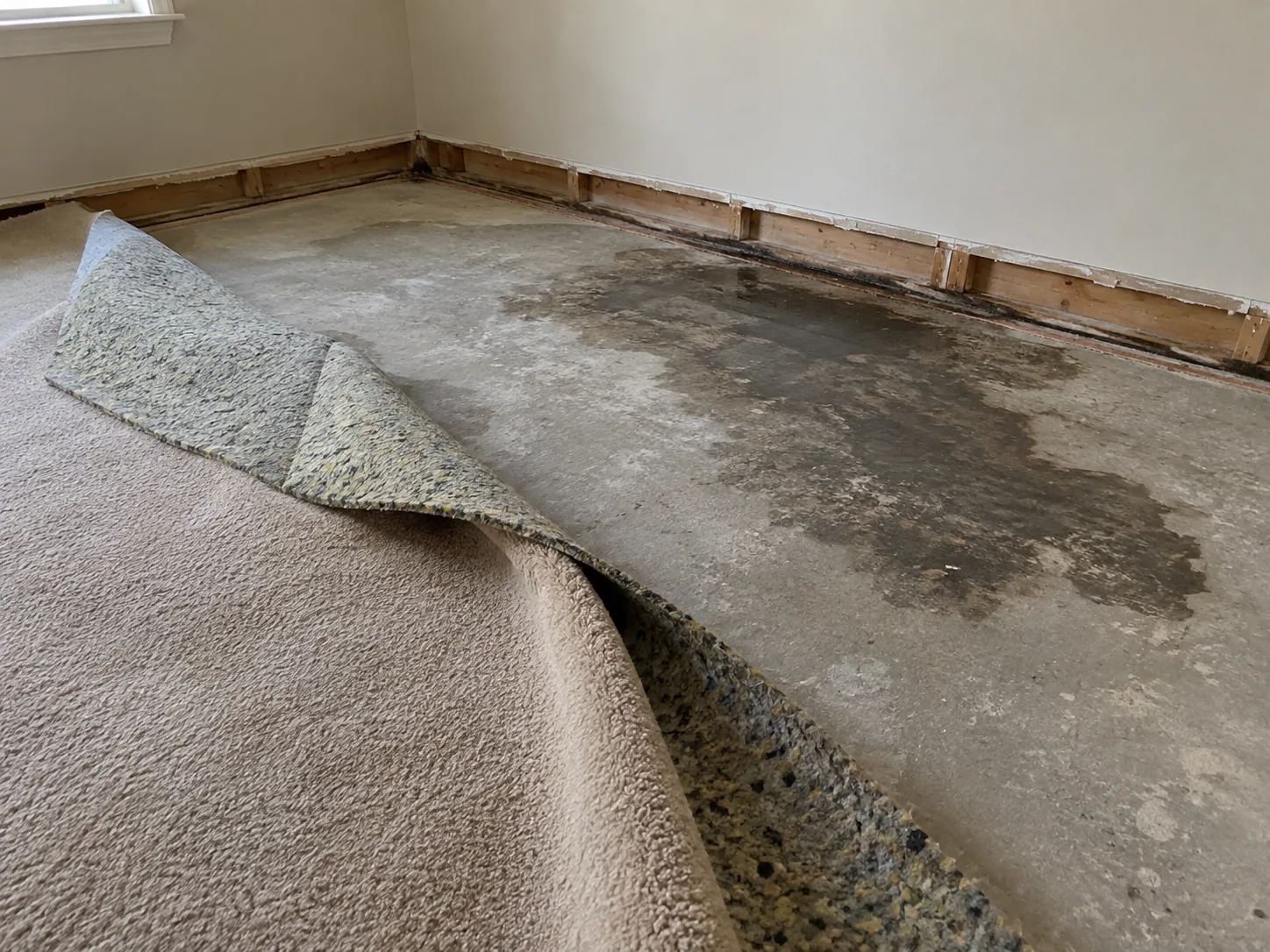
Emergency Stabilization to Repairs
We arrive, assess electrical and slip hazards, and help you stabilize the situation, including shutoff guidance if needed. If there is standing water, extraction starts right away.
We identify affected materials using moisture meters and thermal imaging where appropriate, then outline what can be dried in place versus what should be removed.
We remove standing water and take out only what is necessary, such as saturated pad, swollen baseboards, or compromised drywall, to reach trapped moisture.
Air movers, dehumidifiers, and containment are set for the structure. In Houston humidity, proper dehumidification capacity is what keeps drying moving instead of stalling.
We clean affected surfaces and apply appropriate treatments based on the water category and material types. If odor is present, we address the source, not just the smell.
We record drying progress and final readings, then outline the repair scope so you can restore finishes and get the space back to normal with fewer surprises.
Planning the Restoration Scope
Houston water restoration typically ranges from about $1,200 to $6,500 for many residential losses, with small single-room dry-outs often near the low end and multi-room projects with removal and rebuild planning moving higher. Larger losses and commercial spaces can exceed $10,000 depending on scope.
Final price depends on how long the water sat, the affected square footage, the type of materials such as drywall, hardwood, and cabinets, required containment, equipment days, and what needs to be removed to access trapped moisture. The exact cost is confirmed after an on-site inspection and moisture mapping.
Practical Answers
Start water restoration immediately, ideally the same day, because moisture spreads into drywall, subfloors, and insulation quickly and becomes harder to dry in Houston humidity. If you can do so safely, stop the water source and avoid running HVAC over wet materials, then get a professional inspection to confirm what's actually wet behind surfaces.
Most structural drying takes about 3 to 5 days once extraction is done and equipment is properly sized, but the timeline depends on how much water entered the assembly and whether materials like insulation or multiple flooring layers are involved. We verify progress with moisture readings rather than guessing by feel, and we adjust equipment placement if a room stalls.
Not always, but removal is common when water is trapped where airflow can't reach it or when materials are swollen, delaminated, or contaminated. A good restoration plan removes only what is needed to access wet cavities and dry the structure safely, and it should be based on moisture mapping and the water category, not a blanket rule.
Clean water starts from a sanitary source like a supply line, while contaminated water includes gray or black water from drains, backups, or outside flooding and requires stricter cleaning, removal of porous materials, and PPE. The water category affects what can be saved, what must be removed, and how the area is sanitized before repairs.
Yes, we can document the loss with photos, moisture readings, and a written scope so the claim has clear support for drying and any necessary removal. Coverage depends on your policy and the source of the water, but good documentation helps reduce back-and-forth and keeps the restoration plan consistent.
If it's safe, shut off the water at the nearest valve, move small valuables and electronics out of the wet area, and blot or mop up what you can without spreading water into other rooms. Avoid pulling up flooring or cutting drywall unless you're sure about electrical safety, and don't rely on household fans alone to dry wet cavities in humid Houston conditions.
Start With a Moisture Assessment
Tell us what happened and where the water is showing up. We'll assess the moisture, explain what needs to be dried versus removed, and lay out a practical path from emergency stabilization to completed repairs.