Rapid response and a clear plan
We start by identifying water category, affected materials, and hidden moisture paths so the next steps are based on what’s actually wet, not guesses.
Serving Houston, Texas & surrounding areas
24/7 Emergency Response
Flood Restoration Service · Houston, TX
When water gets into flooring, drywall, and framing, time matters. Get a fast on-site assessment, clear next steps, and professional drying and restoration to limit damage and get the space back to normal.
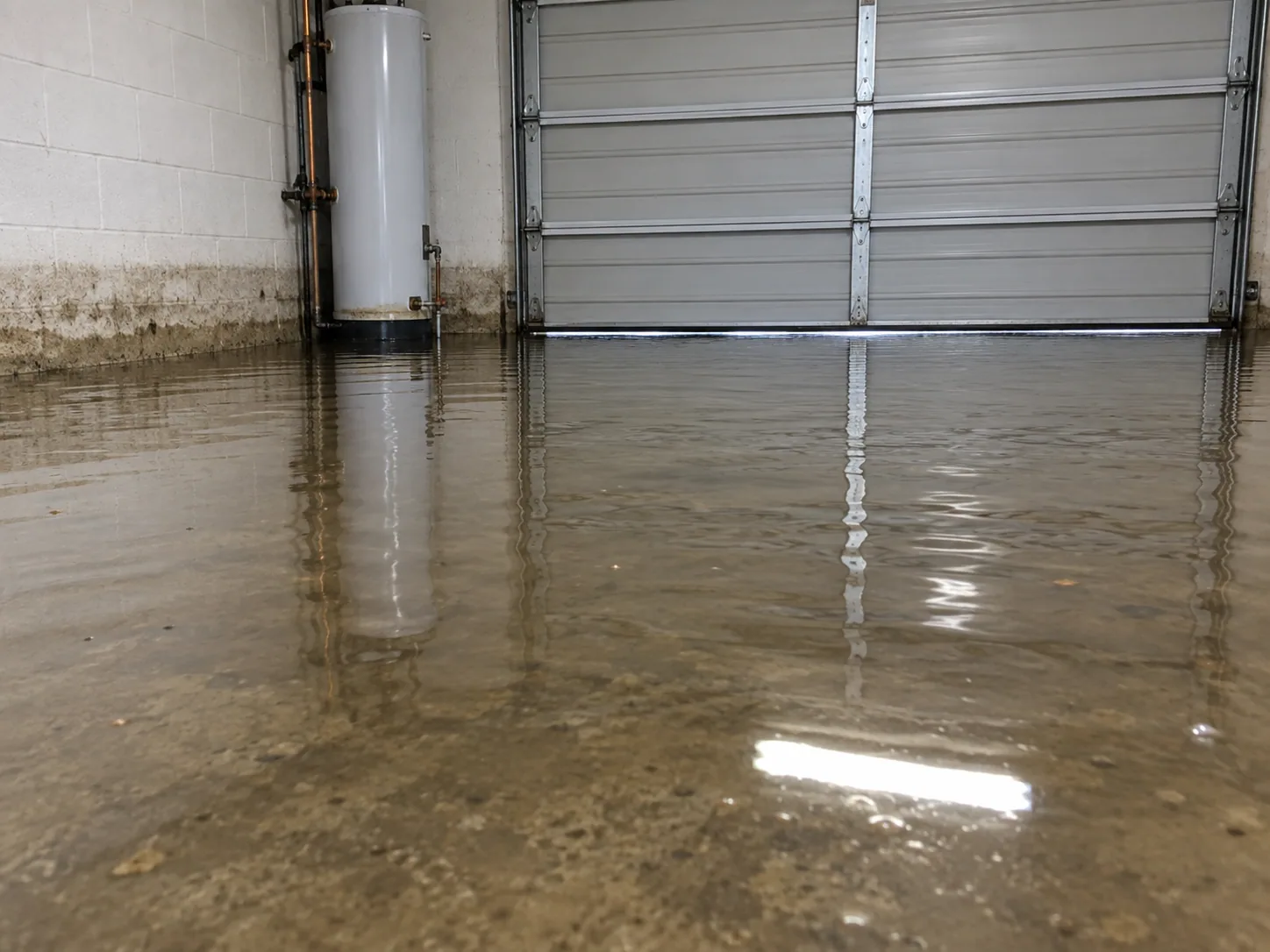
Fast Action, Controlled Drying
Flood damage restoration Houston homeowners and property managers look for usually means more than “mopping up.” Floodwater can wick up walls, soak insulation, push contaminants into porous materials, and hide under flooring where it keeps feeding mold growth.
A proper restoration plan starts with confirming where the water traveled, then removing it, drying the structure, and repairing or rebuilding what cannot be salvaged. In practice, that includes:
Houston’s humid conditions can slow drying if the setup is wrong or the space stays closed without dehumidification. The goal is to dry materials evenly and safely, not to blast heat and hope for the best. Water Damage Houston focuses on a documented scope and a practical drying plan, whether the job affects one room or a whole building.
This is one part of our wider water damage restoration in Houston service, covering homes and commercial property across the Houston area.
Complete Flood Recovery
We start by identifying water category, affected materials, and hidden moisture paths so the next steps are based on what’s actually wet, not guesses.
Standing water and saturated layers are removed with professional pumps and extractors, including attention to edges and low spots where water sits.
Air movement and dehumidification are set up to match the structure and materials, with moisture checks to confirm progress before repairs begin.
When drywall, insulation, or flooring cannot be saved, we remove only what’s necessary to access wet cavities and prevent lingering dampness.
If floodwater may contain contaminants, we clean and disinfect affected surfaces using restoration-appropriate products and methods.
Once drying targets are met, we help move the project into rebuild steps like drywall, trim, paint, and flooring so you can reoccupy sooner.
Built for Gulf Coast Conditions
Flooding in Houston often affects homes built on slabs, where water can migrate under flooring and collect along exterior walls. Even if the surface looks mostly dry, moisture can remain trapped under laminate, engineered wood, carpet padding, or behind baseboards.
Humidity also changes how restoration should be handled. Leaving windows open can bring moist air inside and slow dehumidification. A better approach is a controlled drying environment with targeted airflow, the right type of dehumidifier, and consistent monitoring.
Local conditions we plan around
Other moisture events, including supply-line breaks and appliance leaks, follow a similar inspection-first process. Flood-impacted jobs often need additional cleaning and material removal because of contamination risk.
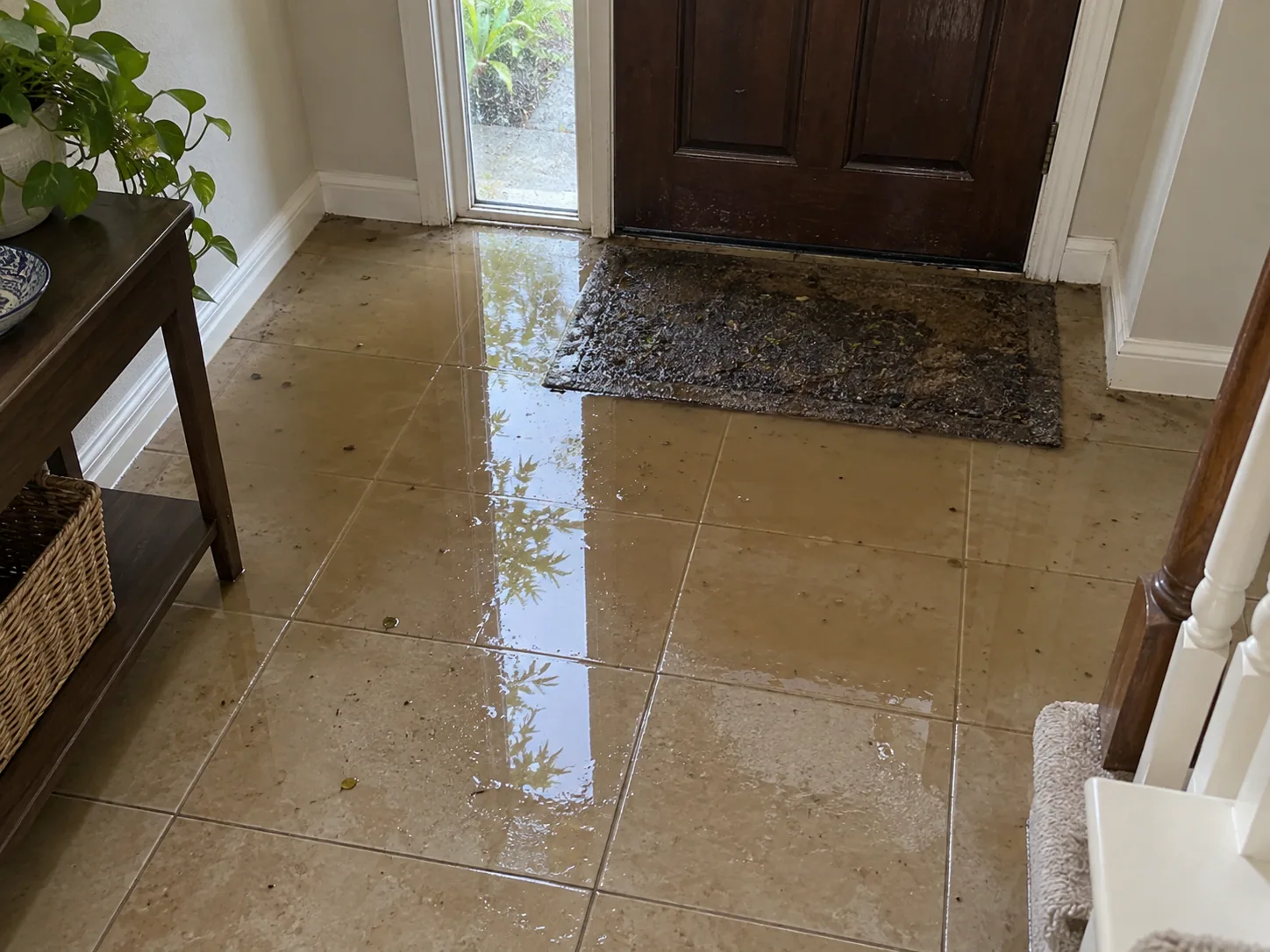
Inspection Through Rebuild
We assess affected rooms, check for electrical and slip hazards, and look for migration paths under flooring and inside wall cavities. We also note materials that typically trap water, including padding, insulation, MDF trim, and lower cabinets.
We extract standing water and remove saturated items that prevent drying. The goal is to stop ongoing absorption so the structure can start drying immediately.
We place air movers and dehumidifiers based on the layout and materials, then establish containment or zoning when needed so dry air reaches the wettest areas.
When floodwater is suspected to be contaminated, we clean and disinfect affected surfaces and contents as appropriate before rebuild steps begin.
We take moisture readings during the dry-out and adjust equipment as conditions change. Drying is complete when readings support moving forward with repairs.
After dry-out, we help return the space to pre-loss condition with repairs like drywall replacement, baseboards, paint, and flooring reinstallation or replacement.
Planning the Restoration Scope
Flood damage restoration in Houston typically ranges from about $1,500 to $8,000+ for many residential jobs, with large losses, multi-room flooding, or contaminated water running higher. A small, contained incident with minimal material removal often sits at the lower end, while full-room tear-out, extensive drying, and rebuild steps increase the total.
Final price depends on the square footage affected, water category, how long materials stayed wet, flooring and wall assemblies, access such as multi-story or condo rules, and how much demolition and rebuilding is required. The exact cost is confirmed after an on-site inspection and documented scope.
Practical Answers
Flood restoration should start as soon as it’s safe to enter because water wicks into drywall, trim, and flooring and becomes harder to dry the longer it sits. In Houston, high humidity can also slow evaporation, so early extraction and dehumidification help reduce secondary damage and shorten the overall timeline.
Drywall is often cut when water has soaked into wall cavities or insulation, or when baseboards and the lower wall stay wet after extraction. The decision depends on moisture readings, the height of water exposure, and whether the water may be contaminated, since affected porous materials can be difficult to disinfect fully.
Many projects dry in about 3 to 7 days, but the actual timeline depends on how much water entered, what materials are wet, and whether moisture is trapped under flooring or behind cabinets. We track progress with moisture measurements and adjust equipment placement rather than relying on a fixed number of days.
Sometimes, if the affected area can be isolated and utilities are safe, but it depends on the extent of damage and whether demolition and disinfecting are needed. For condos and multi-family buildings in Houston, noise limits and access rules can also influence the work schedule and whether temporary relocation makes sense.
If it’s safe, stop the source of water, avoid using outlets or appliances in wet areas, and move small valuables to a dry room. Try not to remove flooring or open walls unless you are sure it’s safe to do so, since hidden electrical hazards and contaminated water are common concerns with flood events.
We can provide documentation that typically supports a claim, such as photos, moisture readings, equipment logs, and a written scope of work. Coverage depends on your policy and the source of the water, so it’s smart to start the documentation early and keep records of any emergency steps taken.
Start With an On-Site Assessment
Tell us what happened and what areas are affected. Water Damage Houston will schedule an on-site inspection, document the damage, and lay out the drying and repair steps so you can move forward with confidence.