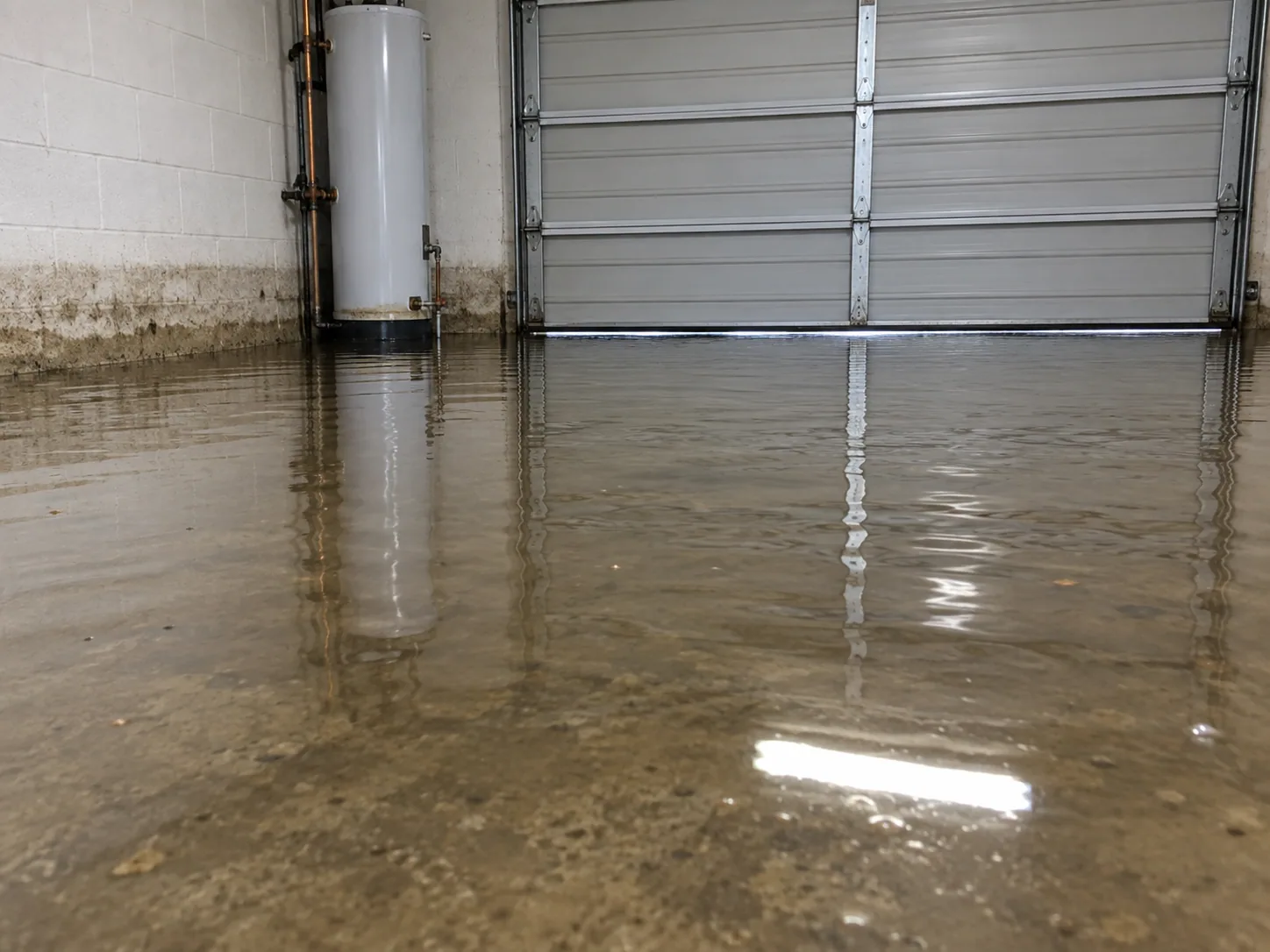
Standing water extraction
Pumping and high-powered extraction remove water from floors, carpet, padding, and hard-to-reach areas before drying begins.
Serving Houston, Texas & surrounding areas
24/7 Emergency Response
Water Removal Service · Houston, TX
When water gets in, time matters. We extract standing water, set professional drying equipment, and document the job so you can limit damage and get back to normal sooner.
Rapid Extraction and Controlled Drying
Water Damage Houston provides Houston water removal for floods, burst pipes, appliance leaks, and overflow events. The goal is simple: remove bulk water quickly, dry materials the right way, and reduce the chance of secondary damage.
Houston properties can go from “a little water” to widespread impact fast, especially when water travels under flooring, into baseboards, or down wall cavities. Water removal Houston work is not just mopping and fans. It is measured drying with the right extraction, airflow, dehumidification, and moisture checks so you know what is dry and what still needs attention.
If you also need a broader start-to-finish recovery plan after an incident, our water damage restoration approach covers the full scope that often follows water removal, including monitoring and documentation.
This is one part of our wider water damage restoration in Houston service, covering homes and commercial property across the Houston area.
Professional Mitigation
Pumping and high-powered extraction remove water from floors, carpet, padding, and hard-to-reach areas before drying begins.
Air movers and dehumidifiers are placed based on affected materials, room layout, and moisture readings—not guesswork.
We track moisture in drywall, framing, subfloors, and trim so drying decisions are based on measurements.
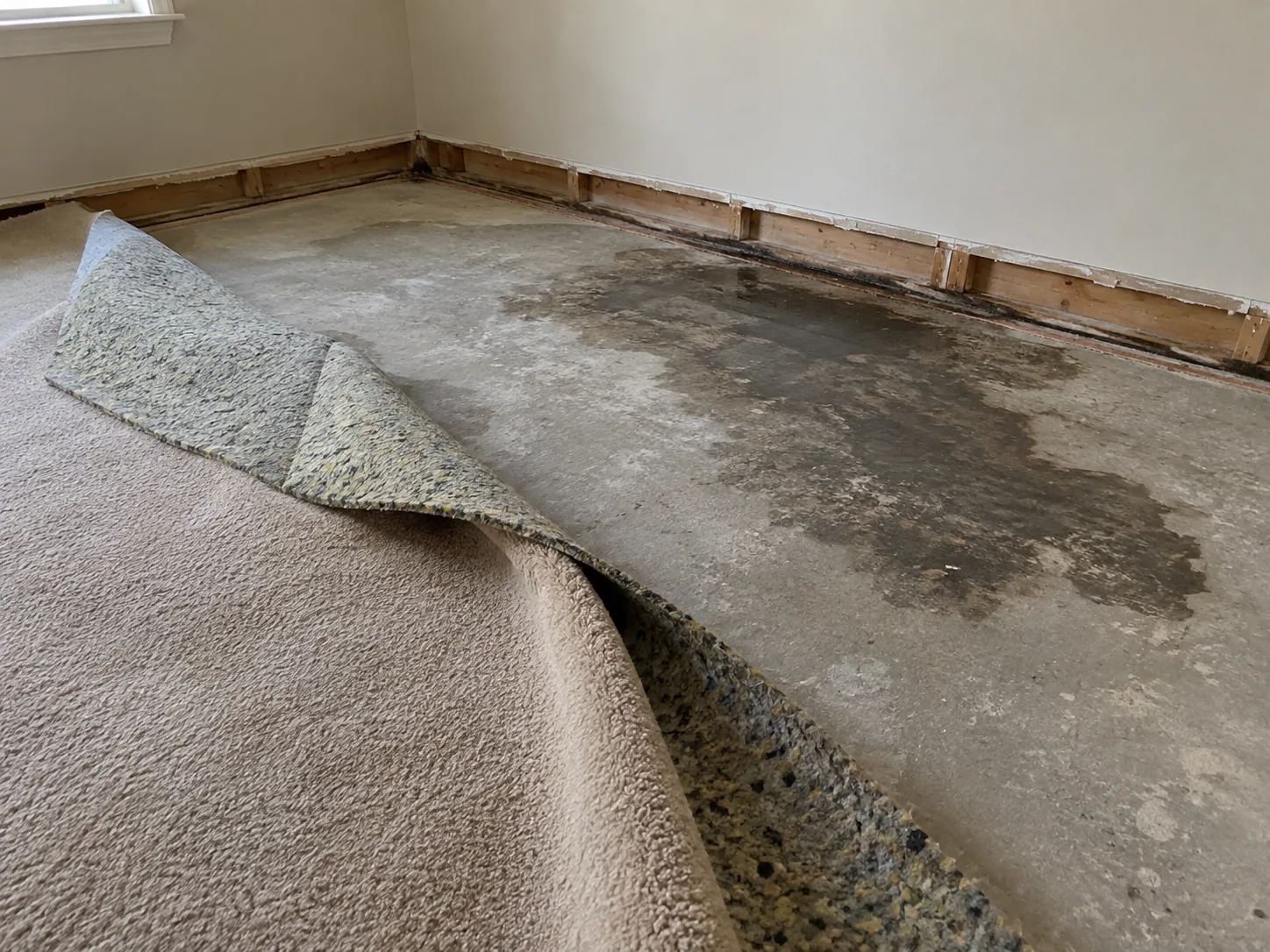
When materials cannot be dried safely or practically, affected sections can be removed and disposed of so concealed cavities can dry.
Containment and surface wipe-downs are used as needed, while equipment and hoses are staged with safety and clear walk paths in mind.
Extraction Before Evaporation
Effective water removal Houston TX jobs follow a sequence. First is stopping the source if possible and extracting bulk water. Then comes controlled drying, where temperature, airflow, and humidity are balanced so moisture leaves materials instead of spreading.
Details that make a real difference
We work in occupied homes and active commercial spaces. In Downtown and Midtown, access and parking can affect equipment and hose staging. In older Heights bungalows, water may move through layered flooring and older assemblies, making thorough moisture checks especially important.
When a water event is tied to a larger incident, water damage restoration services in Houston can continue after extraction and carry the project through to a stable, dry structure.
Inspection to Dry Verification
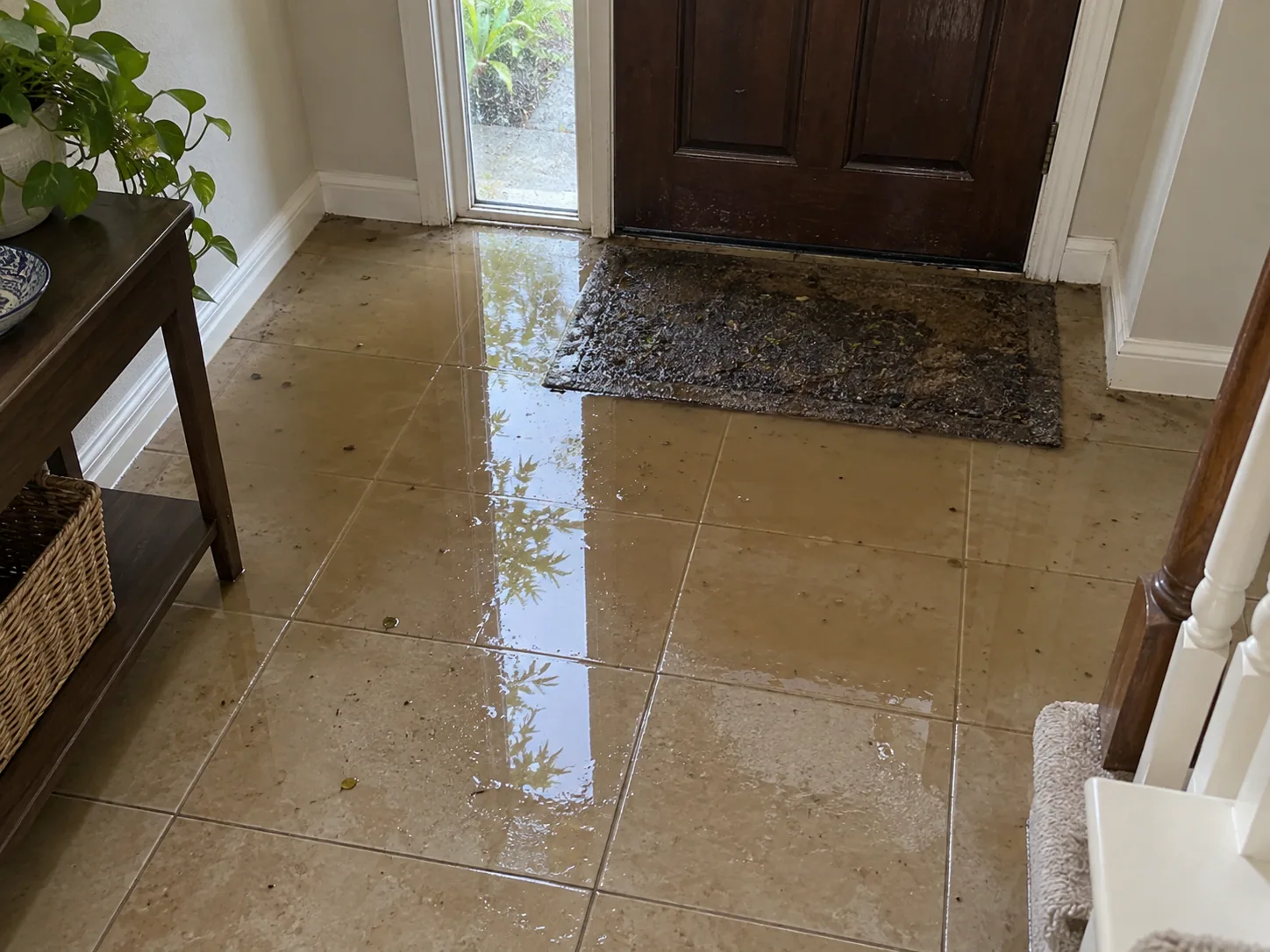
We identify affected materials, check for water migration—including under flooring and behind walls—and document what we find.
We remove standing water with pumps and extractors, then detail-extract carpet and seams where water hides.
Air movers and dehumidifiers are positioned to dry the structure, not just the air. Placement is adjusted using moisture readings.
Drying is not a set-and-forget job. We re-check moisture and humidity, then change equipment quantity or layout as conditions change.
We confirm dry targets are met for the materials being dried and outline what, if anything, still needs repair or replacement.
Planning the Dry-Out
Houston water removal typically ranges from about $500 to $2,500 for smaller leak events, while larger losses with extensive extraction and multi-day drying often run $2,500 to $7,500+ depending on how many rooms and materials are affected.
Your price changes with the amount of standing water, how far it traveled under floors or into walls, equipment needs, site access, and whether materials must be removed to dry correctly. The exact cost is confirmed after an on-site inspection and moisture mapping.
Extraction and Drying in Practice
Practical Answers
Water removal should start as soon as the area is safe and the source is controlled because water spreads quickly into porous materials and under flooring. Houston humidity can slow evaporation, so early extraction and dehumidification help limit affected materials and drying time.
Yes, when readings show water trapped in wall cavities, selective removal such as pulling baseboards or performing a flood cut may be the most practical way to dry the structure. We recommend it only when measurements show drying will not be effective through surfaces alone.
Sometimes, depending on how long the water sat, how much is under the flooring, and the wood and finish involved. We check surface and subfloor moisture and explain whether drying is reasonable or sections should be removed to prevent long-term cupping or buckling.
Most drying takes several days, but the timeline depends on the amount of water and materials involved. After extraction, we monitor moisture and humidity and adjust equipment until readings show the structure has reached appropriate dry targets.
If it is safe, stop the source, shut off electricity to affected areas when standing water is near outlets, and move valuables somewhere dry. Avoid relying on household fans alone; professional removal focuses on extraction first, followed by controlled airflow and dehumidification.
Yes. Water removal for offices, retail, and multi-unit spaces often requires planning for access, noise, and safe walk paths. We stage extraction and drying equipment so operations can continue when possible while affected materials are dried correctly.
Start With Moisture Mapping
Tell us what happened and what areas are wet. We will outline the next steps, inspect for hidden moisture, and put a clear drying plan in place for your Houston property.