Containment-first work practices
We isolate the affected area with poly barriers and negative air so the rest of the property stays protected during removal and cleaning.
Serving Houston, Texas & surrounding areas
24/7 Emergency Response
Mold Remediation Service · Houston, TX
If you smell a musty odor, see staining, or have had a recent leak, you need a containment-first plan that stops spread, removes contaminated materials safely, and documents what was done.
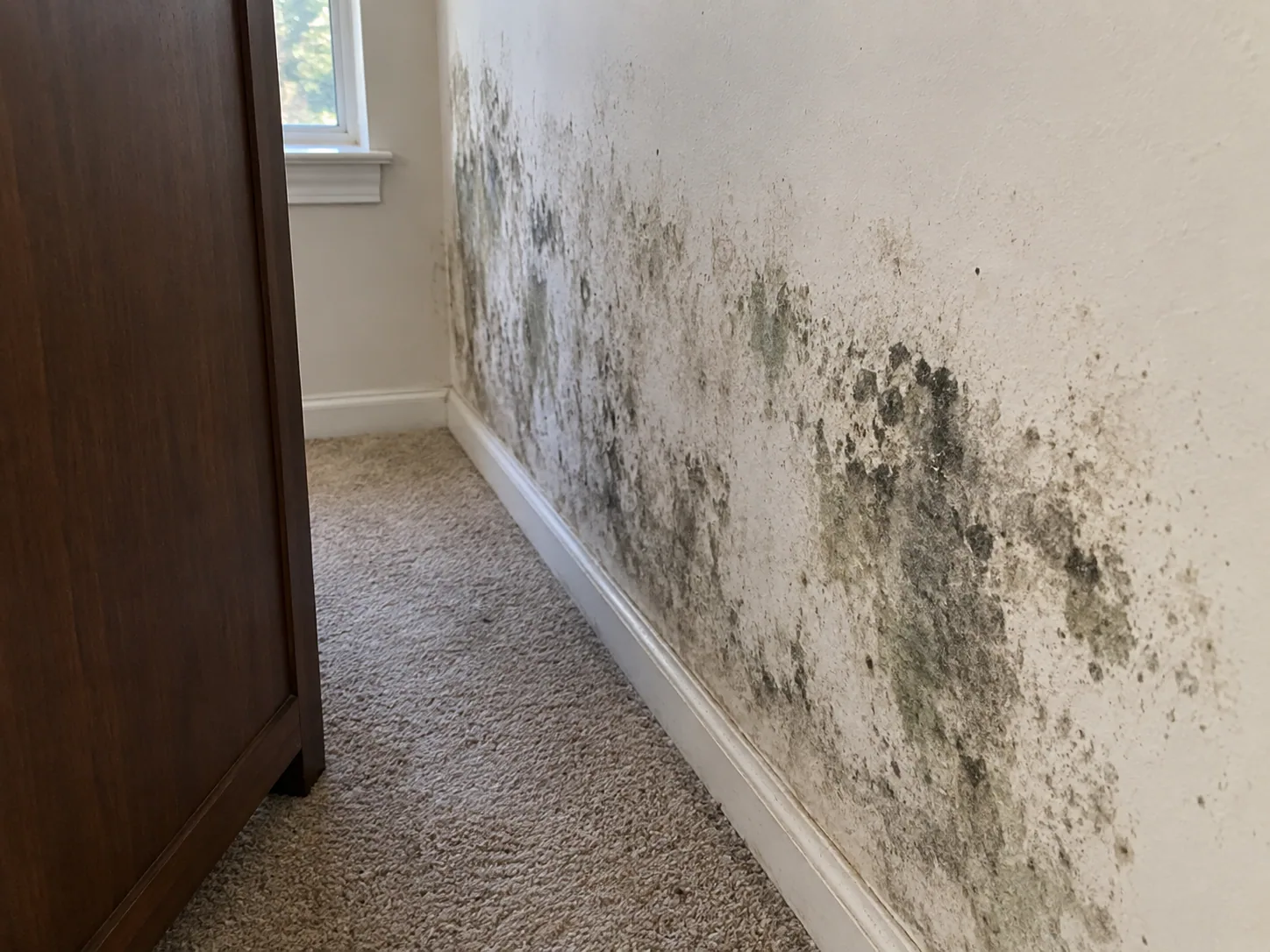
Containment, Removal, and Readiness
Mold remediation in Houston is not a wipe-down. A real remediation job controls the work area, removes affected materials when needed, cleans remaining surfaces with the right methods, and verifies conditions are ready for rebuild.
On a typical project, the work starts with isolating the affected area using 6-mil poly sheeting, maintaining negative pressure with HEPA-filtered air scrubbers, and using a HEPA vacuum for particulate control. That containment matters because disturbing growth without it can drive spores into wall cavities, HVAC returns, closets, and adjacent rooms.
After containment is stable, remediation focuses on source and impact:
When choosing a contractor, ask how containment is set, what HEPA equipment is used, how removal decisions are made, and what clearance approach is followed before rebuild. A professional answer is specific and procedural—not a promise to spray something and leave.
This is one part of our wider water damage restoration in Houston service, covering homes and commercial property across the Houston area.
Gulf Coast Building Conditions
Houston's humidity and frequent heavy rain events make mold growth more likely after a plumbing leak, roof intrusion, or AC drain issue. Controlling humidity and drying to stable moisture levels is part of preventing regrowth, not an optional add-on.
If mold is tied to a larger water loss, coordinating remediation with water damage restoration can reduce downtime and rework, especially when several rooms must dry before final boundaries are set.
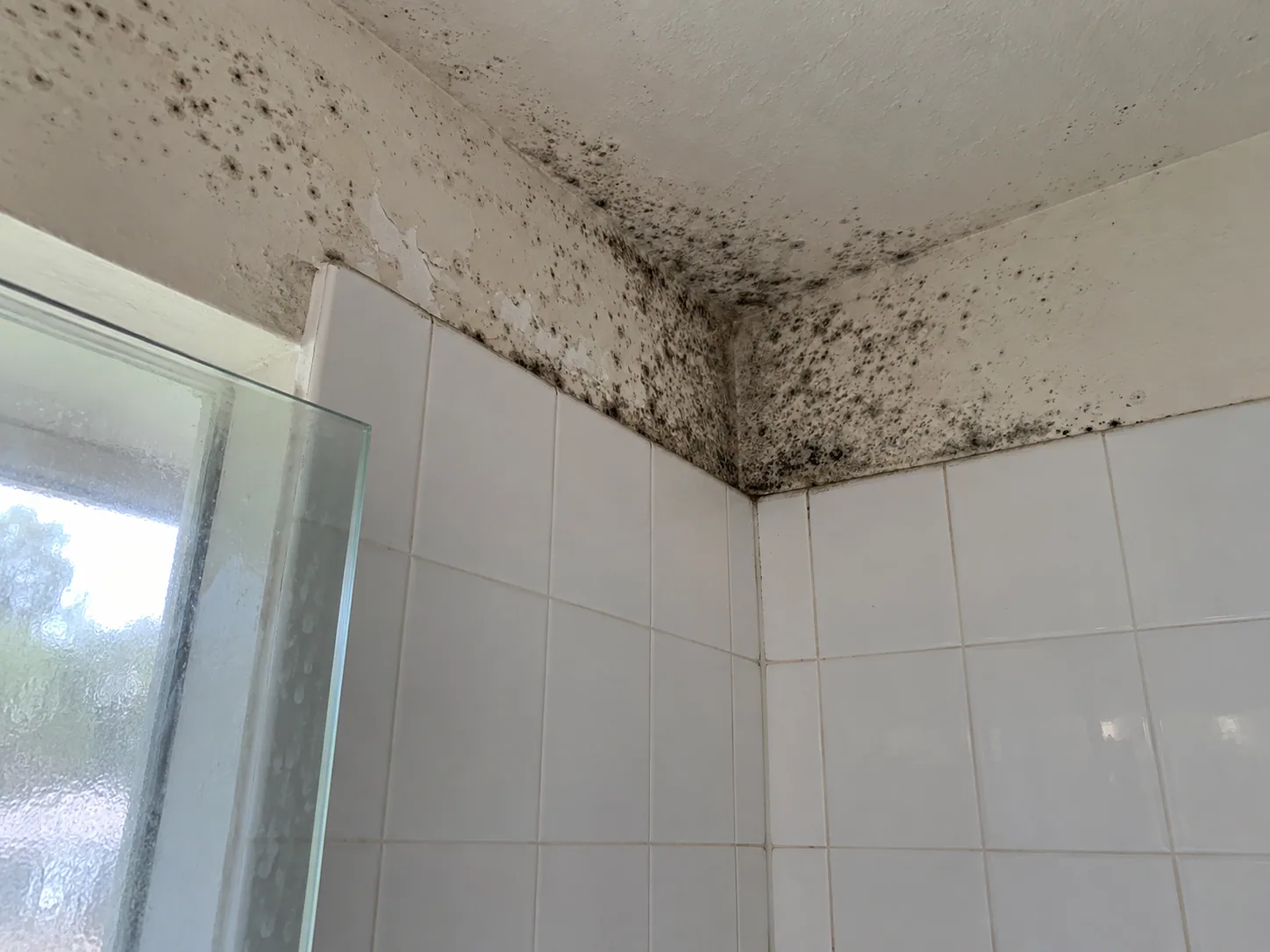
Protection and Documentation
We isolate the affected area with poly barriers and negative air so the rest of the property stays protected during removal and cleaning.
HEPA air scrubbers and HEPA vacuuming control fine particulate during demo and cleanup, followed by wipe-downs and detail work in the containment zone.
You get a written scope and job documentation for your property records or to share with a property manager or adjuster if needed.
We plan access, work hours, and containment for occupied homes, rental turnovers, and commercial spaces where foot traffic and safety matter.
We explain what must be removed, what can be cleaned, what needs drying, and what should happen before any rebuild starts.
Inspection to Rebuild Readiness
We identify affected materials, the likely moisture source, and hidden areas that may need selective opening. HVAC returns, doors, and work pathways are also noted for protection.
We install critical barriers, often using 6-mil poly, create a controlled entry, and run HEPA air filtration to keep the work area under negative pressure relative to adjacent rooms.
Affected porous materials are removed using bagging and debris-control practices designed to keep particulate inside containment. Contents are handled case by case according to material and condition.
We HEPA vacuum and wipe down surfaces in the remediation zone. Framing and structural elements are detailed until the area is visibly clean and ready for drying confirmation.
We verify the space is dry enough for rebuild and document what was removed and cleaned. When third-party clearance testing is planned, timing is coordinated so walls are not closed too early.
Planning the Scope
Mold remediation in Houston typically ranges from about $1,500 to $6,500 for many residential projects, with small, contained areas sometimes closer to $800 to $2,000 and larger or multi-room removals reaching $7,500 to $15,000+.
Final cost depends on how far contamination extends, whether walls or ceilings must be opened, how much porous material must be removed, containment complexity, HVAC proximity, access in attics and tight chases, and whether drying and dehumidification are needed. The exact price is confirmed after an on-site inspection and a written scope.
Contained Work in Practice
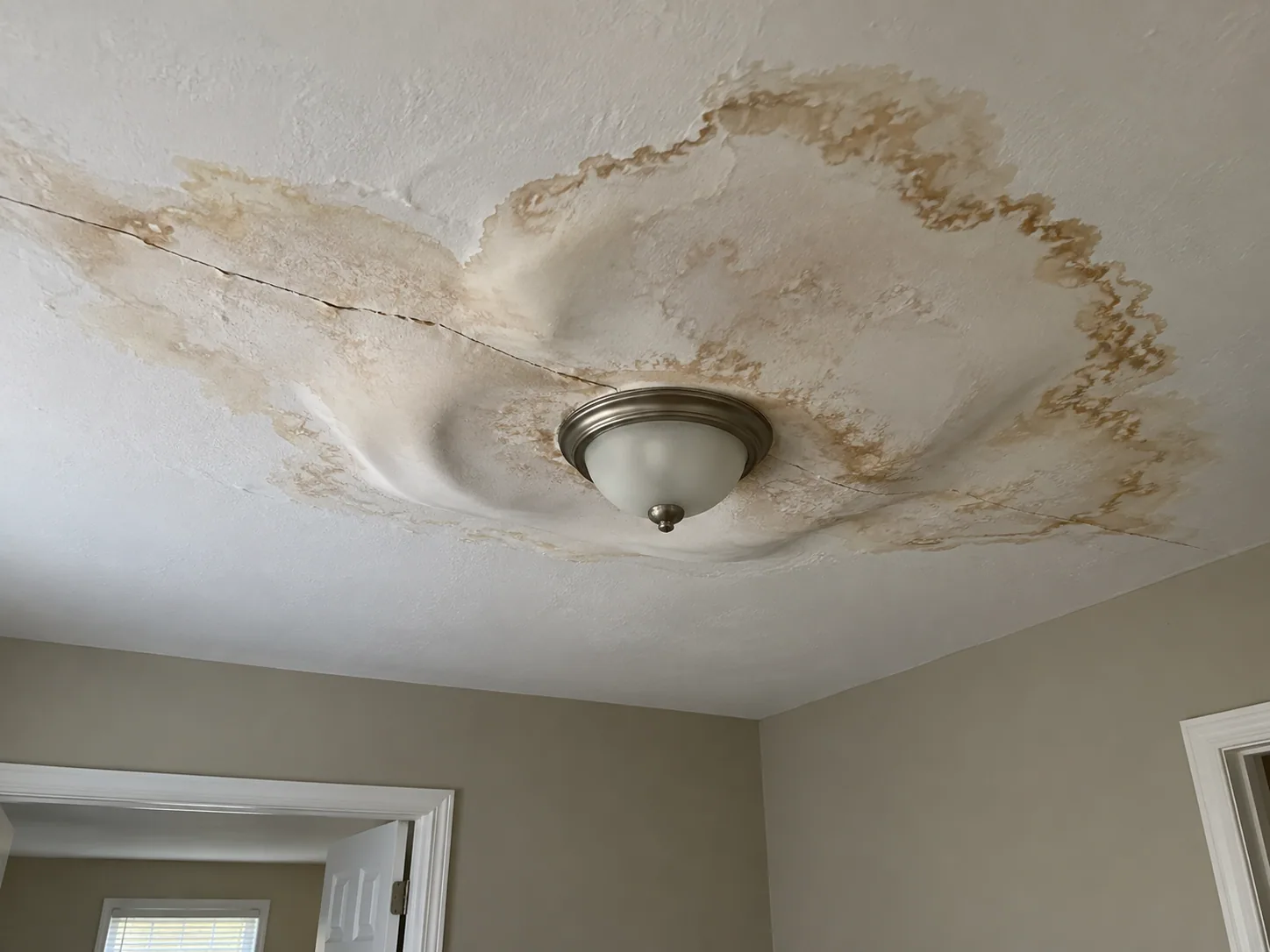
Practical Answers
Many projects can start quickly once the affected area is inspected and the scope is approved, because containment setup and HEPA filtration are brought on day one. Scheduling depends on the size of the loss, whether the space is occupied, and whether active leaks or wet materials require immediate drying coordination before demo begins.
Not always, but you should stay out of the contained area and any adjacent space designated as a work pathway. If the affected area is large, near bedrooms, or tied to HVAC circulation, temporary relocation can be the safest and least stressful option during demolition and HEPA cleaning.
Contaminated porous materials such as drywall, insulation, carpet pad, and some ceiling products are often removed because they cannot be reliably cleaned through their full thickness. Non-porous and many semi-porous materials may be cleaned using HEPA methods and detailed wiping when the structure is sound and the moisture source is controlled.
Yes. If moisture returns, mold can regrow even after a well-executed cleanup. Prevention means controlling the source and indoor humidity, which is particularly important in Houston. Inspection includes looking for drivers such as plumbing leaks, roof intrusion points, and condensation around AC components.
We can prepare the space for third-party clearance testing if you want that extra verification. Many property owners prefer an independent tester for post-remediation checks; timing can be coordinated so the area is ready to evaluate before rebuild begins.
Coverage depends on your policy and what caused the mold. Mold connected to a sudden, accidental water event may be handled differently from long-term humidity or a slow leak. We provide a written scope and documentation that may support the claim process, but the carrier makes the coverage decision.
Start With an On-Site Inspection
Tell us what you are seeing and where it is happening, and we will schedule an inspection, explain containment and removal steps, and provide a written scope you can act on.