Focused on the moisture source
Testing is only useful if it ties back to why mold may be present. We look for leaks, condensation patterns, and ventilation issues that keep materials damp.
Serving Houston, Texas & surrounding areas
24/7 Emergency Response
Mold Testing Service · Houston, TX
Get clear answers fast with a professional inspection, lab-based sampling when needed, and a written report that tells you what was found, where, and what to do next.
Testing the Right Conditions
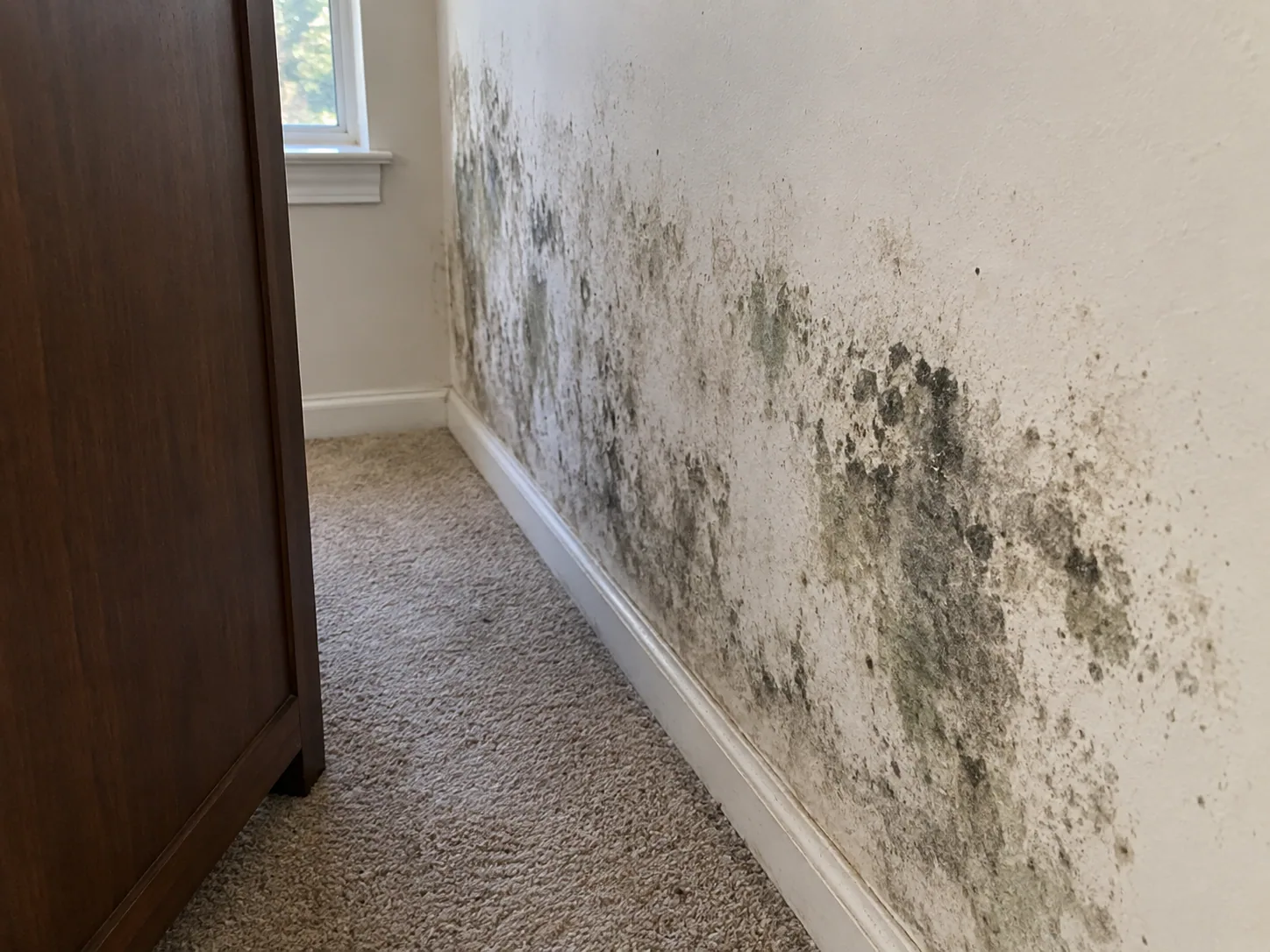
If you can already see mold growth on a surface, testing is usually not the first step. The priority is to fix the moisture source and plan safe cleanup. Mold testing in Houston is most valuable when the problem is uncertain: you smell mustiness but can't find a source, symptoms appear in one area of a home or office, a recent leak dried quickly but you're not sure what's behind the wall, or you need documented results for a property decision.
Houston's heat and humidity create long stretches of conditions where moisture problems can turn into mold growth quickly, especially in tight, air-conditioned interiors. That's why a good inspection matters as much as the sample itself. A real Houston mold testing visit starts with a building-science look at moisture, airflow, and materials, then uses sampling to confirm or rule out growth where the visual clues are not enough.
Water Damage Houston provides mold testing for residences and commercial spaces across Houston, including Post Oak, with a focus on practical answers: what's driving the moisture, what areas are likely affected, what the lab results mean, and what steps to take to reduce risk and prevent recurrence.
This is one part of our wider water damage restoration in Houston service, covering homes and commercial property across the Houston area.
Inspection and Sampling
A mold inspection is a process, not a single gadget reading. During mold testing, Houston clients typically need three things: a thorough evaluation, defensible sampling, and a report written in plain language.
1) On-site assessment and moisture mapping
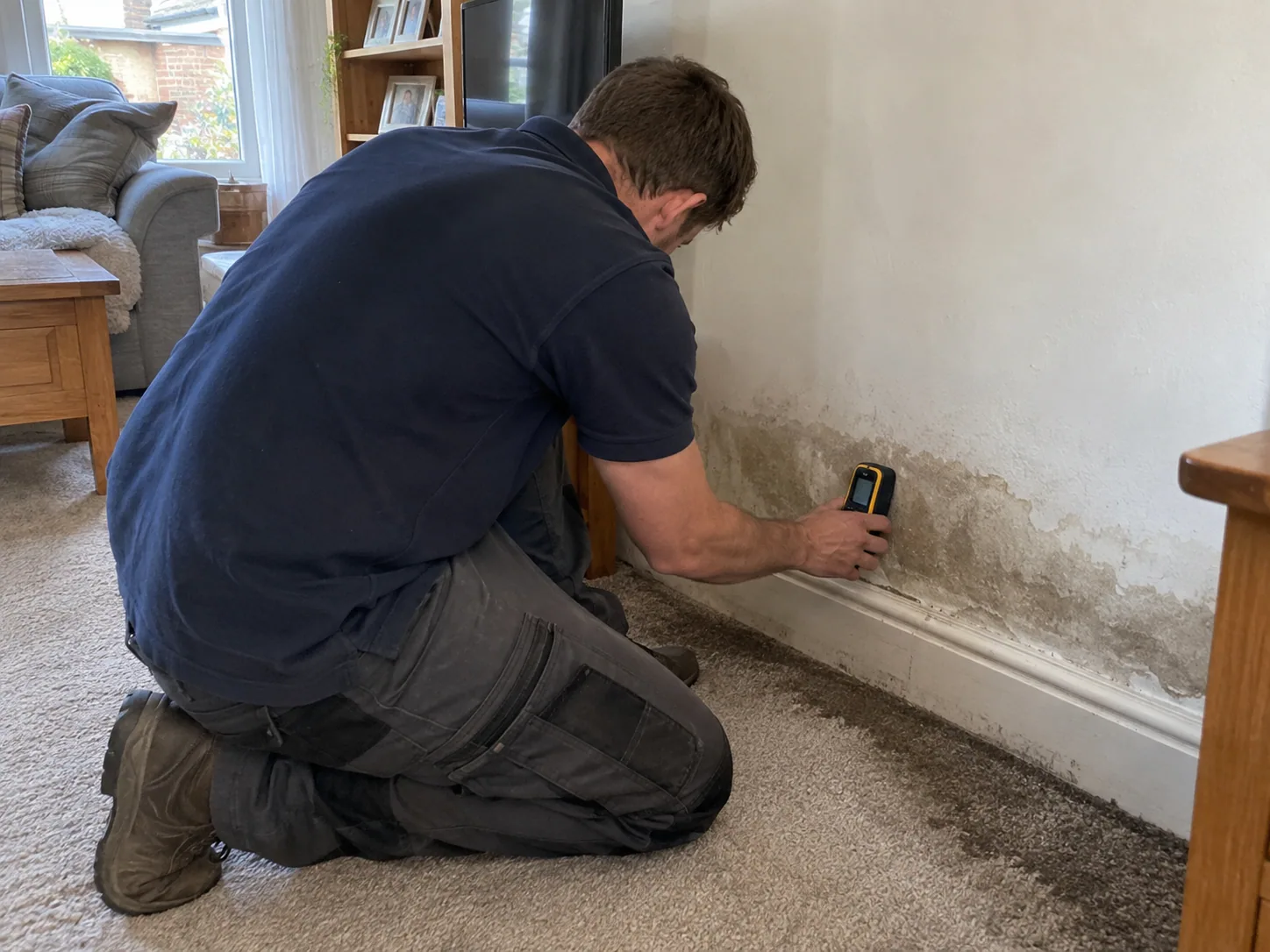
We start by walking the space and asking about past leaks, HVAC issues, condensation, and odors. We use moisture detection tools, such as non-invasive moisture meters and thermal imaging where appropriate, to identify areas that may be damp behind finishes. This step often determines whether sampling is needed and where it should be done.
2) Targeted sampling (when it helps)
Depending on conditions, we may recommend:
Sampling is done with chain-of-custody documentation and sent to a qualified lab for analysis. The goal is to answer the question you actually have: whether there is likely mold growth inside an assembly, whether indoor air shows elevated spores compared with outdoors, and which areas should be addressed first.
3) Written findings and next steps
You receive a clear summary of observations and lab results, plus recommended next actions. If remediation is needed, the scope is based on what we can support with inspection findings, not guesses.
Practical, Property-Specific Findings
Testing is only useful if it ties back to why mold may be present. We look for leaks, condensation patterns, and ventilation issues that keep materials damp.
We recommend air or surface sampling when it will change the decision you're making, such as whether to open a wall, isolate an area, or document conditions before work.
You get a report you can use to plan repairs, talk to a landlord or contractor, or document the condition of a space during a transaction.
We test apartments, single-family homes, offices, retail spaces, and mixed-use properties with minimal disruption and clear communication.
In Post Oak and nearby corridors, we often see moisture issues tied to HVAC condensation, building envelope details, and rapid temperature changes between outdoors and cooled interiors. The inspection is tailored to that reality.
Inspection to Written Findings
Share the symptoms—odor, visible staining, a past leak, or a recent AC problem—and which areas are affected. We will help you decide whether an inspection alone is enough or if sampling is likely to be useful.
We evaluate the building materials and likely moisture pathways, then identify priority locations for further checks. If there's an obvious moisture source, we point it out so you can plan the right fix.
We collect the right sample types for the situation and document each location. Samples are submitted for analysis so results are consistent and traceable.
We explain what the lab found in plain terms and outline practical next steps, including containment considerations if you need to disturb materials.
If your findings point to water intrusion or damp materials, you may need drying, repairs, remediation, or water damage restoration services when the inspection shows active or recurring moisture.
Planning the Inspection
Mold testing in Houston typically ranges from about $250 to $750 for most homes, depending on the size of the property and the number and type of samples. A basic inspection with one to two samples is often on the lower end, while larger homes, multiple areas of concern, or more sampling locations can move the price higher.
Final cost depends on access—such as an attic, crawlspace, or tight mechanical closet—how many indoor zones need comparison, and whether surface sampling is needed. Exact pricing is confirmed after the on-site inspection and the sampling plan is set.
Documented Field Work
Practical Answers
If mold is visibly growing, testing is often optional because the immediate need is to correct the moisture problem and plan safe cleanup. Testing can still help when you need documentation, want to confirm what's on a surface, or suspect there's additional hidden growth beyond what you can see.
Most on-site inspections and sampling appointments take about 45 to 90 minutes, depending on the size of the property and how many areas need evaluation. Lab turnaround commonly takes a few business days; timing can vary based on sample type and lab workload.
Air sampling compares the concentration and types of airborne spores between areas, often against an outdoor control, while surface sampling identifies material collected directly from a suspect spot. Air samples are useful for evaluating an indoor environment; surface samples are useful for confirming whether a specific stain or patch is consistent with fungal growth.
Testing can indicate a higher likelihood of hidden growth, but it cannot guarantee what is behind a wall without verification. We use moisture readings, thermal patterns, and the building's history to identify likely cavities, then recommend the least invasive approach that still answers the question.
Yes, we can test condos and high-rises in Post Oak and nearby areas, but access and building rules matter. If management requires scheduling windows, elevator reservations, or documentation for entry, tell us up front so the inspection and sampling plan fits the property's requirements.
Yes. Your report summarizes what we observed, documents sample locations, lists lab results, and provides practical next steps based on conditions found. If moisture is active or recurring, the next step is typically to stop the source and dry affected materials before any rebuild or cleanup plan is finalized.
Get Clear Findings
Tell us what you're seeing or smelling and where it's happening. We will recommend the right level of inspection and sampling, then provide a written report with clear next steps for the property.